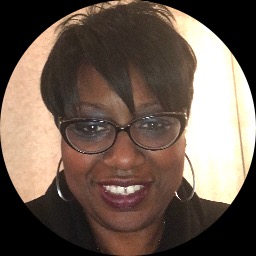
About Lorie
Lorie Boyd is a clinician based in New York who helps people facing anxiety, depression, trauma, and relationship strain. She brings 26 years of experience to conversations about stress, grief, addiction, self-esteem, and identity concerns. Lorie works with people who are dealing with parenting pressures, family problems, or the effects of prejudice and discrimination.
She uses direct conversation to uncover what feels most difficult now. Sessions focus on building clearer communication, healthier boundaries, and stronger coping skills.
Background and approach
Lorie supports people working through intimacy issues, anger, bipolar symptoms, or attention challenges by keeping goals practical and achievable. Lorie practices from a client-centered stance, listening first and shaping each plan around the person in front of her. She also uses Cognitive Behavioral Therapy to identify unhelpful thoughts and to try out small behavioral changes that can reduce distress.
These approaches are chosen to fit the issue and the person rather than follow a single formula. Her background includes long-term work with survivors of sexual assault and domestic violence, first responders, and people affected by natural or human-caused disasters. Lorie pays attention to how family of origin issues, codependency, and communication problems affect day-to-day life.
She is licensed as a Licensed Mental Health Counselor, LMHC, and offers sessions in English. Many people seek her help when they need steady support through transitions or when past hurts keep showing up in current relationships.
How Lorie’s Methods Work Online
Lorie blends client-centered care and Cognitive Behavioral Therapy to help people make steady, useful change. Client-Centered Therapy focuses on listening and reflecting so the person feels understood and can set their own goals; it is useful for issues like grief, identity concerns, and relationship stress. Cognitive Behavioral Therapy looks at patterns of thinking and behavior and tests small changes to reduce anxiety, depression, anger, or social phobia.Finding the right approach is a collaborative process. Lorie will listen to your goals and preferences, then recommend which ideas to try first and adjust the plan as you go. She treats the choice of method as flexible rather than fixed, and works with clients to measure what helps.
Online sessions are offered by video call, phone, live chat, or text-based messaging to make care more accessible. Video calls allow face-to-face conversation for deeper discussion. Phone sessions are a helpful option when bandwidth is limited or when audio-only works better. Live chat or text messaging can be used for shorter check-ins, brief coaching, or support between fuller sessions. These formats make it easier to fit therapy into busy schedules and ongoing life demands.
Frequently asked questions
What concerns does Lorie help with?
How would you describe her therapeutic style?
What experience does she bring?
What are her credentials and where is she located?
Which languages are offered for sessions?
Can people outside the U.S. work with her?
What session formats are available?
How does cost and getting started work?
Specialties and expertise
Top specialties
- Stress, Anxiety
- Family conflicts
- Trauma and abuse
Also works with
- Addictions
- ADHD
- Anger management
- Bipolar disorder
- Career difficulties
- Codependency
- Communication problems
- Coping with natural or human-caused disaster
- Depression
- Domestic violence
- Family of origin issues
- Family problems
- First responder issues
- Grief
- Intimacy-related issues
- LGBT
- Multicultural concerns
- Parenting issues
- Post-traumatic stress
- Prejudice and discrimination
- Relationship issues
- Self esteem
- Self-love
- Sexual assault and abuse
- Social anxiety and phobia
Therapeutic approaches
- Experience
- 26 years
- Licensed
- New York, Washington
- Languages
- English