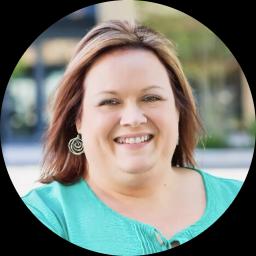
About Laura
Laura Richardson is a Licensed Mental Health Counselor with 20 years of experience helping adults cope with stress, anxiety, depression, and life transitions. She practices from Florida and offers straightforward support for common troubles like grief, relationship strain, and addictive behavior. Her approach aims to make it easier to talk about hard things and to build practical steps forward.
She uses a client-centered style that keeps the person’s goals in focus.
Background and approach
That means she listens first and follows what matters most to each person. She also brings elements of cognitive behavioral therapy to help identify unhelpful thinking and replace it with steady skills that work day to day. Sessions often focus on real-life problems such as parenting challenges, family conflict, blended family issues, or caregiver stress.
Laura helps people develop calming routines for anger, plan next steps after a separation, and manage the ups and downs of mood conditions including bipolar concerns. Her work also covers adoption and foster care issues, attachment struggles, codependency, and family of origin wounds. Clients learn communication tools, ways to set boundaries, and ways to cope when old patterns repeat.
The intention is to create small, manageable changes rather than overwhelming plans. Laura aims for a warm, nonjudgmental atmosphere where people feel heard. She supports each person in setting realistic goals, trying new skills, and noticing progress over time.
Getting help can feel hard - she focuses on clear steps that fit everyday life.
Practical approaches for online care
Laura blends client-centered care with cognitive behavioral tools to help people make steady changes. Client-Centered Therapy focuses on listening and following the person’s priorities, helping them set goals and move at their own pace. Cognitive Behavioral Therapy (CBT) looks at thoughts and behaviors to build specific skills for anxiety, depression, anger, and addiction concerns.Choosing the right approach is a collaborative process. The therapist will work with each person to pick techniques that match their goals, preferences, and daily life. That shared planning means strategies are tried and adjusted based on what helps most.
Online therapy offers flexible ways to connect, including video calls, phone sessions, live chat, and text-based messaging. Video sessions allow face-to-face conversation and skills practice. Phone sessions can be simpler for low-bandwidth situations or a quick check-in. Live chat and text messaging are useful for brief updates, immediate coaching, or when a written check-in fits a busy schedule. These options make it easier to keep therapy consistent around work, school, or caregiving responsibilities.
Frequently asked questions
What concerns can be addressed in sessions?
What is the therapeutic style like?
How much experience does the therapist have?
Where is the therapist licensed and located?
Which languages are supported for sessions?
What session formats are available?
How does payment and cost work?
How do I begin working together?
Specialties and expertise
Top specialties
- Stress, Anxiety
- Family conflicts
- Parenting issues
Also works with
- Abandonment
- Addictions
- Adoption and foster care
- Anger management
- Attachment issues
- Bipolar disorder
- Blended family issues
- Career difficulties
- Caregiver issues and stress
- Codependency
- Commitment issues
- Communication problems
- Control issues
- Coping with life changes
- Depression
- Divorce and separation
- Drug and alcohol addiction
- Family of origin issues
- Family problems
- Forgiveness
- Grief
- Guilt and shame
- Life purpose
- Mood disorders
- Postpartum depression
- Process addiction (porn, exercise, gambling)
- Relationship issues
- Self esteem
- Self-love
- Trauma and abuse
- Young adult issues
Therapeutic approaches
- Experience
- 20 years
- Licensed
- Florida
- Languages
- English