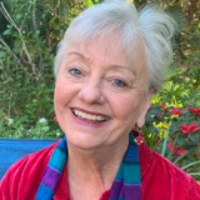
About Joy
Joy Adle is a Licensed Mental Health Counselor in Florida who helps people feeling anxious, overwhelmed, grieving, or stuck find clearer footing. She meets people where they are and focuses on practical steps to reduce stress and regain a sense of direction. Her style is warm and steady, aimed at building everyday skills that make life feel more manageable.
She works mainly with individuals facing life transitions and loss who want to grow emotionally and spiritually.
Background and approach
Sessions mix talk therapy with concrete tools to change unhelpful thoughts and emotional patterns. That can mean learning new coping skills, practicing mindfulness, or developing healthier communication habits. Joy brings nine years of clinical experience and a background in addiction and family grief counseling.
She holds a Master of Science in Counseling and a Master of Arts in Spiritual Psychology, and she integrates those perspectives into treatment. That experience informs her approach to trauma, addiction, and relationship concerns. Her toolkit includes cognitive behavioral techniques, attachment-informed work, emotionally-focused strategies, and EMDR-style interventions along with mindfulness practices.
She uses physical, mental, emotional, and spiritual exercises to support change instead of relying on one single method. Sessions are available via video calls, phone, live chat, or text-based messaging. Joy describes therapy as a collaborative process where goals are set together and progress is tracked in small, measurable steps.
Approach-driven care offered online
Attachment-based work focuses on relationships and how early bonds shape present reactions; it helps when patterns of trust, closeness, or fear of abandonment get in the way of current connections. Client-centered therapy centers the person’s own goals and pace, offering a supportive space to name feelings and choose the next steps. Cognitive Behavioral Therapy (CBT) looks at how thoughts influence feelings and behavior, and teaches concrete techniques to shift thinking and reduce symptoms like anxiety and depression.Choosing an approach is a team effort. The therapist will discuss goals, preferences, and what has or hasn’t worked before. Together they decide which methods to try and adjust them as progress and needs change.
Online sessions are offered as video calls, phone sessions, live chat, or text-based messaging to provide flexibility. Video calls let you work face-to-face from wherever you are. Phone sessions can be easier when bandwidth is limited or a camera feels like too much. Live chat or text-based messaging is useful for brief check-ins, quick coping strategies, or people who prefer writing over speaking. These options help fit therapy into busy schedules and make it easier to maintain steady support.
Frequently asked questions
What concerns does this therapist address?
What is the general therapy style here?
What kind of experience does the clinician have?
What credentials and region are listed?
Which languages are sessions offered in?
What session formats are available?
How is cost handled for sessions?
How do I begin working together?
Specialties and expertise
Top specialties
- Stress, Anxiety
- Addictions
- Relationship issues
Also works with
- Abandonment
- Aging and geriatric issues
- Anger management
- Caregiver issues and stress
- Codependency
- Compassion fatigue
- Coping with life changes
- Depression
- Divorce and separation
- Drug and alcohol addiction
- Family conflicts
- Family of origin issues
- Family problems
- Forgiveness
- Grief
- Guilt and shame
- Impulsivity
- Isolation / loneliness
- Life purpose
- Post-traumatic stress
- Self esteem
- Self-love
- Trauma and abuse
- Women's issues
Therapeutic approaches
- Experience
- 9 years
- Licensed
- Florida
- Languages
- English