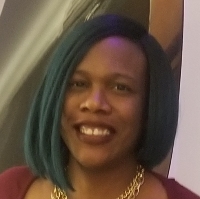
About Chinyere
Chinyere Tunsill offers calm, practical support for people facing stress, anxiety, depression, grief, and challenges with self-esteem. She focuses on clear, usable strategies so clients can move forward with daily life. In the first sessions she helps people identify goals and simple steps they can use between meetings.
Chinyere draws on Cognitive Behavioral Therapy to help people notice unhelpful thoughts and try different behaviors. She also uses Dialectical Behavior Therapy skills and Motivational Interviewing techniques when those fit a person's needs.
Background and approach
Trauma-focused methods are part of her approach for people recovering from past hurts. She has eleven years of clinical experience and holds an LCPC and a Licensed Mental Health Counselor credential, LMHC. Her background includes work with adults on mood disorders, addictions, anger, impulsivity, and parenting stress.
Chinyere also supports people coping with bipolar disorder, ADHD, post-traumatic stress, and substance-related concerns. In sessions she mixes short teaching moments with practical exercises. Clients can expect to leave with concrete tools for emotion regulation, communication, and managing urges.
She encourages attention to sleep, movement, and nutrition as useful supports alongside therapy. People often come to her when life changes feel overwhelming or when past trauma keeps resurfacing. She aims to provide a warm, compassionate space where clients can test new responses and build skills at their own pace.
How these approaches work online
Chinyere often uses Cognitive Behavioral Therapy to help people identify unhelpful thoughts and try different behaviors. CBT sessions focus on concrete steps - noticing a thought, testing it, and practicing a new action - which can be done through conversation and short exercises during video or phone meetings. Dialectical Behavior Therapy provides practical skills for managing intense emotions and improving relationships; DBT skills work well in focused practice sessions and brief coaching exchanges via chat or text when a quick reminder is helpful.Finding the right approach is a collaborative process. The therapist will work with each person to decide which methods fit their goals and preferences, and may combine techniques over time. Clients help set priorities and test changes between sessions so the plan evolves with what works best for them.
Online formats offer flexibility and make it easier to fit care into busy lives. Video calls allow face-to-face conversation and guided exercises, phone sessions can be simpler when bandwidth is limited, and live chat or text-based messaging supports shorter check-ins, homework review, or brief coaching during the week. These options help people stay consistent with therapy while balancing other responsibilities.
Frequently asked questions
What concerns does she commonly address?
What is her general approach in sessions?
How much clinical experience does she have?
What credentials and region are listed?
Which languages are supported and can international clients connect?
What session formats are available?
How is cost handled for sessions?
What are the first steps to begin working together?
Specialties and expertise
Top specialties
Also works with
- Abandonment
- Addictions
- ADHD
- Anger management
- Bipolar disorder
- Body image
- Communication problems
- Coping with life changes
- Depression
- Domestic violence
- Drug and alcohol addiction
- Guilt and shame
- Impulsivity
- Mood disorders
- Parenting issues
- Post-traumatic stress
- Self esteem
- Self-harm
- Self-love
Therapeutic approaches
- Experience
- 11 years
- Licensed
- Florida, Utah, New Jersey, Massachusetts, Nevada
- Languages
- English