
Brittany Elledge, LPCC, LMHC
Pennsylvania · 12 yrs in practice
Works with Stress, Anxiety / Relationship / Self esteem +12
Works by Client-Centered Therapy / Cognitive Behavioral Therapy (CBT)
Read profileTherapist listings come from BetterHelp. We will earn a commission if you sign up through a link on this page, at no extra cost to you, and it does not change the order of the listings.
A Licensed Professional Clinical Counselor (LPCC) is a mental health professional who has met state licensing requirements to provide clinical counseling services. Below you can browse verified LPCC therapists and review their specialties, approaches, and languages to help guide your search.
Pennsylvania · 12 yrs in practice
Works with Stress, Anxiety / Relationship / Self esteem +12
Works by Client-Centered Therapy / Cognitive Behavioral Therapy (CBT)
Read profile
Florida · 9 yrs in practice
Works with Stress, Anxiety / Addictions / Self esteem +10
Works by Client-Centered Therapy / Cognitive Behavioral Therapy (CBT)
Read profile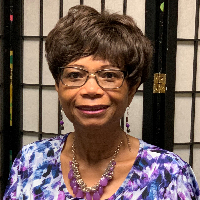
Indiana · 25 yrs in practice
Works with Stress, Anxiety / Relationship / Family +10
Works by Cognitive Behavioral Therapy (CBT) / Mindfulness Therapy
Read profile
Ohio · 13 yrs in practice
Works with Stress, Anxiety / Depression / Coping with life changes +9
Works by Client-Centered Therapy / Cognitive Behavioral Therapy (CBT)
Read profile
Florida · 25 yrs in practice
Works with Stress, Anxiety / Trauma and abuse / Career +3
Read profile
Indiana · 15 yrs in practice
Works with Stress, Anxiety / Anger / Self esteem +9
Works by Acceptance and Commitment Therapy (ACT) / Attachment-Based Therapy
Read profile
Florida · 5 yrs in practice
Works with Stress, Anxiety / Trauma and abuse / Self esteem +7
Works by Client-Centered Therapy / Cognitive Behavioral Therapy (CBT)
Read profile
Florida · 29 yrs in practice
Works with Stress, Anxiety / Addictions / Relationship +14
Works by Client-Centered Therapy / Cognitive Behavioral Therapy (CBT)
Read profile
Ohio · 19 yrs in practice
Works with Stress, Anxiety / Relationship / Intimacy-related issues +12
Works by Attachment-Based Therapy / Client-Centered Therapy
Read profile
Florida · 22 yrs in practice
Works with Stress, Anxiety / Family / Self esteem +10
Read profile
California · 6 yrs in practice
Works with Stress, Anxiety / Relationship / Trauma and abuse +9
Works by Client-Centered Therapy
Read profile
Florida · 16 yrs in practice
Works with Stress, Anxiety / Addictions / Relationship +9
Works by Acceptance and Commitment Therapy (ACT) / Attachment-Based Therapy
Read profile
California · 16 yrs in practice
Works with Stress, Anxiety / Addictions / Relationship +15
Read profile
Ohio · 6 yrs in practice
Works with Stress, Anxiety / Trauma and abuse / Self esteem +9
Works by Cognitive Behavioral Therapy (CBT) / Dialectical Behavior Therapy (DBT)
Read profile
Minnesota · 13 yrs in practice
Works with Stress, Anxiety / Relationship / Self esteem +12
Works by Client-Centered Therapy / Cognitive Behavioral Therapy (CBT)
Read profile
Ohio · 11 yrs in practice
Works with Stress, Anxiety / LGBT / Relationship +16
Works by Client-Centered Therapy / Cognitive Behavioral Therapy (CBT)
Read profile
Florida · 19 yrs in practice
Works with LGBT / Family / Trauma and abuse +12
Works by Client-Centered Therapy / Cognitive Behavioral Therapy (CBT)
Read profile
Florida · 20 yrs in practice
Works with Stress, Anxiety / Addictions / Relationship +16
Works by Acceptance and Commitment Therapy (ACT) / Client-Centered Therapy
Read profile
Ohio · 8 yrs in practice
Works with Stress, Anxiety / Addictions / Anger +11
Works by Client-Centered Therapy / Cognitive Behavioral Therapy (CBT)
Read profile
Florida · 29 yrs in practice
Works with Stress, Anxiety / Trauma and abuse / Grief +8
Works by Cognitive Behavioral Therapy (CBT) / Dialectical Behavior Therapy (DBT)
Read profile
Ohio · 27 yrs in practice
Works with Stress, Anxiety / Trauma and abuse / Self esteem +15
Works by Acceptance and Commitment Therapy (ACT) / Client-Centered Therapy
Read profile
California · 12 yrs in practice
Works with Stress, Anxiety / Relationship / Trauma and abuse +7
Works by Client-Centered Therapy / Cognitive Behavioral Therapy (CBT)
Read profile
Florida · 15 yrs in practice
Works with Stress, Anxiety / Addictions / Self esteem +17
Works by Acceptance and Commitment Therapy (ACT) / Cognitive Behavioral Therapy (CBT)
Read profile
Florida · 10 yrs in practice
Works with Stress, Anxiety / Coping with life changes / Grief
Read profile
Ohio · 26 yrs in practice
Works with Stress, Anxiety / Grief / Anger +11
Works by Acceptance and Commitment Therapy (ACT) / Client-Centered Therapy
Read profile
Florida · 16 yrs in practice
Works with Stress, Anxiety / Grief / Self esteem +2
Works by Client-Centered Therapy / Cognitive Behavioral Therapy (CBT)
Read profile
Ohio · 23 yrs in practice
Works with Stress, Anxiety / Addictions / Family +17
Works by Client-Centered Therapy / Cognitive Behavioral Therapy (CBT)
Read profile
Hawaii · 15 yrs in practice
Works with Stress, Anxiety / Relationship / Trauma and abuse +12
Works by Cognitive Behavioral Therapy (CBT) / Motivational Interviewing
Read profile
Florida · 25 yrs in practice
Works with Stress, Anxiety / Relationship / Grief +12
Works by Client-Centered Therapy / Cognitive Behavioral Therapy (CBT)
Read profile
Iowa · 10 yrs in practice
Works with Stress, Anxiety / Trauma and abuse / Self esteem +17
Works by Client-Centered Therapy / Cognitive Behavioral Therapy (CBT)
Read profile
Florida · 6 yrs in practice
Works with Stress, Anxiety / Family / Trauma and abuse +9
Works by Attachment-Based Therapy / Client-Centered Therapy
Read profile
Minnesota · 12 yrs in practice
Works with Stress, Anxiety / Trauma and abuse / Self esteem +13
Works by Client-Centered Therapy / Cognitive Behavioral Therapy (CBT)
Read profile
Washington · 9 yrs in practice
Works with Grief / Stress, Anxiety / Addictions +3
Read profile
Ohio · 7 yrs in practice
Works with Stress, Anxiety / Trauma and abuse / Depression +4
Read profile
New York · 23 yrs in practice
Works with Stress, Anxiety / Relationship / Family +6
Works by Client-Centered Therapy / Cognitive Behavioral Therapy (CBT)
Read profile
New Mexico · 25 yrs in practice
Works with Stress, Anxiety / Addictions / Trauma and abuse +2
Read profile
Kentucky · 10 yrs in practice
Works with Stress, Anxiety / Relationship / Bipolar +6
Works by Cognitive Behavioral Therapy (CBT) / Motivational Interviewing
Read profile
Florida · 6 yrs in practice
Works with Stress, Anxiety / Trauma and abuse / Grief +11
Works by Cognitive Behavioral Therapy (CBT) / Dialectical Behavior Therapy (DBT)
Read profile
Florida · 10 yrs in practice
Works with Stress, Anxiety / Self esteem / Depression +3
Read profile
Hawaii · 9 yrs in practice
Works with Addictions / Relationship / Family +11
Works by Client-Centered Therapy / Eye Movement Desensitization and Reprocessing (EMDR)
Read profile
Ohio · 10 yrs in practice
Works with Stress, Anxiety / Relationship / Self esteem +8
Works by Acceptance and Commitment Therapy (ACT) / Client-Centered Therapy
Read profile
New York · 15 yrs in practice · 3 languages
Works with Stress, Anxiety / Addictions / Trauma and abuse +14
Works by Cognitive Behavioral Therapy (CBT) / Eye Movement Desensitization and Reprocessing (EMDR)
Read profile
Minnesota · 9 yrs in practice
Works with Stress, Anxiety / Trauma and abuse / Self esteem +5
Read profile
Indiana · 14 yrs in practice
Works with Stress, Anxiety / Relationship / Trauma and abuse +2
Works by Acceptance and Commitment Therapy (ACT) / Client-Centered Therapy
Read profile
Florida · 15 yrs in practice
Works with Stress, Anxiety / Relationship / Family +2
Works by Cognitive Behavioral Therapy (CBT) / Motivational Interviewing
Read profile
California · 3 yrs in practice
Works with Stress, Anxiety / Relationship / Self esteem +2
Works by Acceptance and Commitment Therapy (ACT) / Client-Centered Therapy
Read profile
California · 30 yrs in practice · 3 languages
Works with Stress, Anxiety / Relationship / Self esteem +1
Works by Client-Centered Therapy / Cognitive Behavioral Therapy (CBT)
Read profile
Indiana · 8 yrs in practice
Works with Stress, Anxiety / Grief / Depression +6
Works by Cognitive Behavioral Therapy (CBT) / Motivational Interviewing
Read profileWhen you see the LPCC credential next to a counselor's name, it indicates that the clinician has completed a graduate degree in counseling or a closely related field and has met state licensure requirements to practice clinical counseling. Those requirements commonly include a master’s or doctoral degree, a period of supervised clinical experience, and passage of a state or national licensing exam. The exact educational pathway and hours of supervised practice vary by state, but the LPCC designation signals that a practitioner has completed formal training in counseling theories, assessment, ethics, and therapeutic techniques.
In practical terms, the academic training for LPCCs emphasizes human development, counseling methods, group work, multicultural competence, and clinical assessment. During supervised practice, you can expect that a counselor gained hands-on experience working with clients under the oversight of an experienced supervisor. This combination of coursework and supervised clinical hours prepares LPCCs to conduct intake assessments, design treatment plans, and provide psychotherapy for a variety of concerns.
LPCCs are trained to provide psychotherapy across the lifespan and to address emotional, behavioral, relational, and adjustment-related difficulties. Their scope of practice often overlaps with other licensed mental health professionals, but distinctions exist based on state law and professional focus. Compared with some other licenses, LPCCs generally focus on counseling and psychotherapy rather than medical management. They assess mental health needs, offer individual and group therapy, and collaborate with other professionals when a broader team approach is beneficial.
Because licensing standards differ, an LPCC in one state may have a slightly different set of permitted activities than an LPCC in another. If you are weighing credentials, consider how the LPCC role aligns with your needs. For example, if your concerns center on therapy for relationship problems, anxiety, or life transitions, an LPCC may have relevant training and experience. If your needs include medication management, you would typically consult a prescriber such as a psychiatrist or a primary care provider as part of a care plan.
LPCC therapists often work with a range of presenting issues. Many list specialties such as anxiety, depression, trauma, grief, couples and family concerns, stress management, and life-stage transitions. Some LPCCs emphasize work with children and adolescents, while others focus on adult therapy or older adult concerns. You will also find LPCCs who describe a concentration in areas like workplace stress or identity and cultural adjustment.
Therapists who list particular therapeutic approaches among their methods may incorporate those approaches into treatment plans, tailoring techniques to fit your goals. For instance, you may encounter LPCCs who list cognitive behavioral therapy (CBT) among their approaches, or those who list interpersonal or psychodynamic-informed methods. Many LPCCs also describe working with clients on practical coping strategies, communication skills, and goal setting, which can be helpful whether you are addressing specific symptoms or seeking personal growth.
Verifying a license is an important step when you are researching mental health professionals. Each state maintains a licensing board or regulatory agency that oversees the practice of counseling and makes license information available to the public. You can use your state board’s online license lookup tool to confirm that a counselor holds an active LPCC license, see the license issue and expiration dates, and review any public disciplinary records. This official source is the most direct way to confirm licensure for the state in which the counselor practices.
In addition to the licensing board, you can look at a counselor’s professional profile to learn about their education, supervised experience, and areas of focus. Keep in mind that profiles may list therapeutic approaches that the counselor uses, but those listings are descriptive and do not substitute for formal verification of qualifications. If you prefer, you can also ask a counselor directly during an introductory conversation about their licensure, years of practice, and experience with issues like the ones you want to address.
Choosing a therapist with the LPCC credential offers several practical benefits. Because LPCCs hold a state license, they are accountable to a licensing board and a code of professional ethics. This provides a framework for professional practice and a route for addressing concerns if professional standards are not met. The education and supervised clinical experience required for licensure also mean that LPCCs have a foundation in clinical assessment, treatment planning, and ethical decision-making.
From a practical standpoint, many LPCCs work across settings such as independent practice, community mental health centers, schools, and healthcare collaborations. When you evaluate options, consider factors that matter to you such as therapeutic approach, population focus, languages spoken, and the counselor’s experience with issues similar to yours. Since therapy is a collaborative process, the practitioner’s ability to listen, explain their approach, and establish a comfortable working relationship are often as important as their formal credentials.
Before you begin looking, think about what you want from therapy. Are you seeking short-term help with a specific problem or longer-term support for ongoing challenges? Do you prefer a therapist who emphasizes skill-building and structured techniques, or one who focuses on exploring underlying patterns and emotions? Clarifying your goals will help you identify LPCCs whose practice descriptions match your priorities.
When you review profiles, pay attention to the ways therapists describe their approaches and populations. If you see that a therapist lists cognitive behavioral techniques, trauma-informed practices, or family systems among their approaches, interpret those entries as the therapist’s stated orientation rather than a claim of external certification. Notice whether they mention working with issues similar to yours and whether they offer services in a language or cultural context that matches your needs.
Many people find it helpful to have an initial conversation to get a sense of fit. During that conversation you can ask about the counselor’s approach to problems like yours, what a typical session involves, and how they measure progress. Pay attention to how the counselor responds to questions and whether you feel heard and understood. A good fit often comes down to communication style and rapport in addition to technical skills.
Finding the right LPCC therapist is a personal process. By understanding what the LPCC credential represents, verifying licensure through state boards, and focusing on the practical aspects of approach and rapport, you can make an informed choice that supports your therapeutic goals. Use profiles to compare specialties, languages, and approaches, and trust your experience in an initial conversation to guide your decision about who to work with.