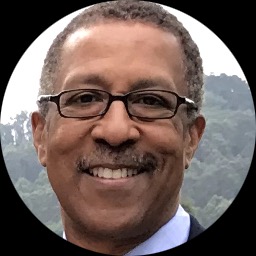
About Joel
Joel Mackey is a licensed mental health counselor with three years of professional experience. He practices in California and focuses on helping people who feel overwhelmed by stress, anxiety, low self-esteem, relationship struggles, and depression. Joel approaches sessions with a practical, down-to-earth style that aims to make change feel possible.
He believes people know their own story and brings a supportive presence to help them use their strengths. Sessions often involve talking through what matters most, identifying small steps, and trying tools that can help in daily life.
Background and approach
He also offers coaching-style support for clients working on motivation and confidence. Joel uses a mix of evidence-informed methods to match what each person needs. He draws on approaches that address thoughts, values, and emotion processing while keeping the work focused and understandable.
When trauma is involved, he can use practices designed to reduce distress and help people move forward. People can expect a collaborative tone in session. Joel aims to empower clients to set goals and test out changes between meetings.
He keeps language simple and practical so ideas can be applied right away. Outside of core concerns like anxiety and depression, Joel also helps clients explore life purpose, forgiveness, self-love, social anxiety, and phobia-related issues. His aim is to support steady progress over time using approaches that fit each person’s situation.
How Joel's Approaches Translate to Online Work
Acceptance and Commitment Therapy, or ACT, focuses on helping people clarify what matters to them and take small actions toward those values. It often involves simple exercises to notice thoughts and choose steps that align with personal goals. Cognitive Behavioral Therapy, or CBT, looks at the link between thoughts, feelings, and actions and teaches practical skills to change unhelpful patterns. CBT is useful for anxiety, depression, and mood shifts. Eye Movement Desensitization and Reprocessing, EMDR, is an approach used to reduce the intensity of traumatic memories and the distress they cause, and it can be adapted for remote sessions when appropriate.Finding the right approach is part of the work together. The therapist will talk with clients about goals, preferences, and what feels most useful, then choose techniques that match those needs. This collaborative process helps shape a plan that fits the person's life and pace.
Online sessions offer several practical benefits. Video calls allow face-to-face conversation when seeing body language matters. Phone sessions can be a good choice when bandwidth is limited or when someone prefers not to be on camera. Live chat and text-based messaging make it possible to check in between sessions or to have shorter, more frequent touchpoints. These options give flexibility so therapy can fit into busy schedules and different daily routines.
Frequently asked questions
What issues does this therapist help with?
What is the therapist's approach in sessions?
How much clinical experience does he have?
What credentials and location are listed?
In which languages are sessions offered?
What session formats are available?
How does payment and cost work?
How do I begin working with him?
Specialties and expertise
Top specialties
- Stress, Anxiety
- Relationship issues
- Self esteem
Also works with
Therapeutic approaches
- Experience
- 3 years
- Licensed
- Washington, California
- Languages
- English