
Margaret Paine, LPC, LMHC
New York · 9 yrs in practice
Works with Stress, Anxiety / Anger / Self esteem +14
Works by Acceptance and Commitment Therapy (ACT) / Client-Centered Therapy
Read profileTherapist listings come from BetterHelp. We will earn a commission if you sign up through a link on this page, at no extra cost to you, and it does not change the order of the listings.
A Licensed Professional Counselor (LPC) is a mental health professional who has completed graduate-level education and clinical training to provide counseling services within state practice laws. Below you can browse verified LPC therapists who list their credentials, approaches, specialties, and languages.
New York · 9 yrs in practice
Works with Stress, Anxiety / Anger / Self esteem +14
Works by Acceptance and Commitment Therapy (ACT) / Client-Centered Therapy
Read profile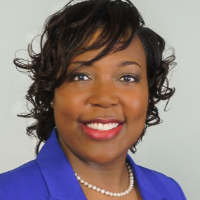
Florida · 10 yrs in practice
Works with Relationship / Family / Self esteem +5
Works by Client-Centered Therapy / Cognitive Behavioral Therapy (CBT)
Read profile
Florida · 13 yrs in practice
Works with Stress, Anxiety / Anger / Depression +14
Works by Cognitive Behavioral Therapy (CBT) / Dialectical Behavior Therapy (DBT)
Read profile
Florida · 30 yrs in practice
Works with Stress, Anxiety / Relationship / Trauma and abuse +15
Works by Acceptance and Commitment Therapy (ACT) / Client-Centered Therapy
Read profile
Pennsylvania · 10 yrs in practice
Works with Stress, Anxiety / Relationship / Grief +9
Works by Cognitive Behavioral Therapy (CBT) / Dialectical Behavior Therapy (DBT)
Read profile
New Jersey · 20 yrs in practice
Works with Stress, Anxiety / Addictions / Parenting +8
Works by Client-Centered Therapy / Cognitive Behavioral Therapy (CBT)
Read profile
Florida · 12 yrs in practice
Works with Stress, Anxiety / Addictions / Parenting +9
Works by Client-Centered Therapy / Cognitive Behavioral Therapy (CBT)
Read profile
New Jersey · 10 yrs in practice
Works with Stress, Anxiety / Relationship / Family +5
Works by Attachment-Based Therapy / Client-Centered Therapy
Read profile
Texas · 5 yrs in practice
Works with Stress, Anxiety / Self esteem / Depression +2
Read profile
New York · 17 yrs in practice · 3 languages
Works with Stress, Anxiety / Self esteem / Career +15
Works by Psychodynamic Therapy / Solution-Focused Therapy
Read profile
Arizona · 10 yrs in practice
Works with Stress, Anxiety / Addictions / Relationship +15
Works by Acceptance and Commitment Therapy (ACT) / Attachment-Based Therapy
Read profile
New York · 10 yrs in practice · 2 languages
Works with Stress, Anxiety / Family / Self esteem +6
Works by Acceptance and Commitment Therapy (ACT) / Client-Centered Therapy
Read profile
Texas · 12 yrs in practice
Works with Stress, Anxiety / Trauma and abuse / Anger +10
Works by Attachment-Based Therapy / Client-Centered Therapy
Read profile
New York · 19 yrs in practice
Works with Stress, Anxiety / Relationship / Grief +12
Works by Client-Centered Therapy / Cognitive Behavioral Therapy (CBT)
Read profile
Georgia · 23 yrs in practice
Works with Stress, Anxiety / Family / Grief +9
Works by Client-Centered Therapy / Cognitive Behavioral Therapy (CBT)
Read profile
Florida · 11 yrs in practice
Works with Stress, Anxiety / Addictions / Anger +12
Works by Client-Centered Therapy / Cognitive Behavioral Therapy (CBT)
Read profile
New Mexico · 10 yrs in practice
Works with Stress, Anxiety / Relationship / Grief +7
Works by Client-Centered Therapy / Cognitive Behavioral Therapy (CBT)
Read profile
Indiana · 9 yrs in practice
Works with Stress, Anxiety / Addictions / LGBT +11
Works by Client-Centered Therapy / Cognitive Behavioral Therapy (CBT)
Read profile
Indiana · 26 yrs in practice
Works with Stress, Anxiety / Relationship / Family +8
Works by Acceptance and Commitment Therapy (ACT) / Client-Centered Therapy
Read profile
Alabama · 19 yrs in practice
Works with Stress, Anxiety / Grief / Career +2
Works by Client-Centered Therapy / Cognitive Behavioral Therapy (CBT)
Read profile
South Carolina · 17 yrs in practice
Works with Stress, Anxiety / Relationship / Family +14
Works by Acceptance and Commitment Therapy (ACT) / Attachment-Based Therapy
Read profile
Texas · 5 yrs in practice
Works with Stress, Anxiety / Parenting / Self esteem +4
Works by Acceptance and Commitment Therapy (ACT) / Client-Centered Therapy
Read profile
Florida · 5 yrs in practice
Works with Stress, Anxiety / Trauma and abuse / Self esteem +7
Works by Client-Centered Therapy / Cognitive Behavioral Therapy (CBT)
Read profile
South Carolina · 27 yrs in practice
Works with Stress, Anxiety / Grief / Parenting +4
Works by Cognitive Behavioral Therapy (CBT) / Dialectical Behavior Therapy (DBT)
Read profile
New York · 30 yrs in practice · 4 languages
Works with Stress, Anxiety / Eating / Sleeping +2
Works by Solution-Focused Therapy
Read profile
Michigan · 12 yrs in practice
Works with Stress, Anxiety / Relationship / Family +2
Works by Client-Centered Therapy / Trauma-Focused Therapy
Read profile
South Carolina · 4 yrs in practice
Works with Stress, Anxiety / Relationship / Family +2
Read profile
Florida · 14 yrs in practice · 2 languages
Works with Stress, Anxiety / Trauma and abuse / Grief +2
Works by Existential Therapy
Read profile
Florida · 8 yrs in practice
Works with Stress, Anxiety / Anger / Self esteem +2
Works by Acceptance and Commitment Therapy (ACT) / Attachment-Based Therapy
Read profile
New York · 9 yrs in practice
Works with Stress, Anxiety / Addictions / Anger +5
Works by Acceptance and Commitment Therapy (ACT) / Client-Centered Therapy
Read profile
South Carolina · 3 yrs in practice
Works with Stress, Anxiety / Relationship / Trauma and abuse +2
Works by Acceptance and Commitment Therapy (ACT) / Client-Centered Therapy
Read profile
Massachusetts · 4 yrs in practice
Works with Stress, Anxiety / LGBT / Relationship +2
Works by Acceptance and Commitment Therapy (ACT) / Client-Centered Therapy
Read profile
Massachusetts · 12 yrs in practice
Works with Stress, Anxiety / LGBT / Family +9
Works by Client-Centered Therapy / Cognitive Behavioral Therapy (CBT)
Read profile
Florida · 44 yrs in practice
Works with Stress, Anxiety / Grief / Self esteem +2
Works by Client-Centered Therapy / Cognitive Behavioral Therapy (CBT)
Read profile
Rhode Island · 5 yrs in practice
Works with Stress, Anxiety / Addictions / Self esteem +2
Read profile
Florida · 26 yrs in practice
Works with Stress, Anxiety / Family / Trauma and abuse +2
Read profile
Connecticut · 22 yrs in practice
Works with Stress, Anxiety / Self esteem / Depression +2
Read profile
Missouri · 5 yrs in practice
Works with Stress, Anxiety / Relationship / Family +2
Read profile
Connecticut · 11 yrs in practice
Works with Stress, Anxiety / Parenting / Self esteem +17
Works by Acceptance and Commitment Therapy (ACT) / Client-Centered Therapy
Read profile
Florida · 6 yrs in practice
Works with Stress, Anxiety / Addictions / Trauma and abuse +8
Read profile
Wisconsin · 9 yrs in practice
Works with Stress, Anxiety / Anger / Self esteem +5
Works by Cognitive Behavioral Therapy (CBT) / Dialectical Behavior Therapy (DBT)
Read profile
Oregon · 8 yrs in practice
Works with Stress, Anxiety / Relationship / Self esteem +10
Read profile
Texas · 17 yrs in practice
Works with Stress, Anxiety / Trauma and abuse / Parenting +14
Works by Client-Centered Therapy / Cognitive Behavioral Therapy (CBT)
Read profile
Arizona · 20 yrs in practice
Works with Stress, Anxiety / Trauma and abuse / Parenting +12
Works by Cognitive Behavioral Therapy (CBT) / Mindfulness Therapy
Read profile
Massachusetts · 25 yrs in practice
Works with Stress, Anxiety / Family / Self esteem +8
Read profile
Oregon · 21 yrs in practice
Works with Relationship / Family / Intimacy-related issues +8
Works by Client-Centered Therapy / Cognitive Behavioral Therapy (CBT)
Read profile
Indiana · 19 yrs in practice
Works with Relationship / Family / Trauma and abuse +15
Works by Client-Centered Therapy / Cognitive Behavioral Therapy (CBT)
Read profile
Florida · 10 yrs in practice · 2 languages
Works with Stress, Anxiety / Addictions / Anger +13
Works by Acceptance and Commitment Therapy (ACT) / Client-Centered Therapy
Read profileWhen you see the LPC designation next to a therapist's name, it indicates that the person has met a specific set of education, supervised experience, and examination requirements established by a state licensing board. Most LPCs hold a master’s degree in counseling, psychology, or a closely related field. That graduate program generally includes coursework in assessment, counseling theory, human development, ethics, and multicultural issues, together with practicum and internship experiences that provide guided, supervised work with clients.
After completing a graduate degree, prospective LPCs typically undertake a period of post-degree supervised clinical hours. The number of required supervised hours varies by state but is intended to ensure that the counselor gains practical experience under the oversight of an approved supervisor. Following the supervised hours, applicants usually must pass a licensing exam administered or adopted by the state. Once licensed, LPCs are expected to maintain their license through continuing education and adherence to their state’s professional standards and ethical rules.
LPCs are trained to provide assessment, diagnosis, and psychotherapy for a wide range of emotional and behavioral concerns. In many settings they work with individuals, couples, families, and groups. While the counseling skills LPCs use overlap with those of other mental health professionals, there are differences in training emphasis and legal scope that matter when you are choosing care. For example, psychologists often have doctoral-level training and additional emphasis on psychological testing and research methods, while social workers may have specialized training in systems-based care and community resources. Some license types focus specifically on marriage and family systems, and others have training aimed at severe mental illness or rehabilitation.
State regulations determine the precise boundaries of each license type, including the ability to diagnose, provide psychotherapy, and, in some states, perform certain types of testing. If you are comparing credentials, consider the kinds of services you want - such as talk therapy, assessment, or case coordination - and how those services align with the training and role described by the license. Profiles in this directory describe credentials, approaches, and specialties so you can evaluate how a therapist’s background relates to your needs.
LPCs work across many treatment areas and practice settings. You will find LPCs who focus on life transitions, anxiety, depression, trauma, relationship challenges, grief, substance use concerns, stress management, and workplace or academic issues. Some LPCs emphasize work with specific populations such as adolescents, older adults, military families, LGBTQ+ communities, or multicultural clients. Others highlight work with behavioral concerns or coping skills related to chronic illness.
Many therapists list clinical approaches they commonly use, and that language can help you understand their style. You may encounter therapists who list cognitive behavioral therapy among their approaches, psychodynamic approaches among their methods, or who list EMDR among their approaches. That phrasing indicates the therapist includes those approaches in their work, but it does not claim a particular certification. Reading how a therapist describes their work can give you a sense of whether their focus aligns with your preferences for structured skill-building, exploratory work, or short-term symptom relief versus longer-term personal growth.
Verifying that a counselor holds a current LPC license is an important step when you are researching care. The most direct method is to consult the licensing board in the state where the counselor practices. Most state boards maintain an online license lookup tool where you can search by name or license number to confirm licensure status, issue date, expiration, and whether there are any public disciplinary actions. If the online tool does not provide the detail you want, the board’s office can often respond to inquiries by phone or email.
When you review a profile, look for the state of licensure and license number. If a therapist lists multiple state licenses, you can verify each one through the corresponding state board. Documentation such as degree information and supervised experience is managed by the licensing authority, so the board is the authoritative source for determining whether a license is valid. You can also consult professional association directories or employer credentialing pages for additional confirmation, but always treat the state board record as definitive.
Choosing an LPC means selecting a counselor who has completed graduate education and the supervised clinical hours required by state law. This background supports a foundation in assessment and counseling techniques that are applied to many common mental health and life concerns. LPCs often practice in outpatient settings, schools, community clinics, personal practices, and employee assistance programs, and they may collaborate with other health and social service professionals when coordinated care is helpful.
Because LPCs frequently emphasize practical counseling skills, you may find that they focus on helping you develop coping strategies, communication skills, and behavioral changes that relate to your goals. Many LPCs also foreground cultural awareness and work to adapt interventions to fit your context and identity. Reading a therapist’s profile can help you understand whether their described approach and specialty areas match what you are seeking, including language abilities and experience with particular life stages or communities.
Begin by thinking about what you want from counseling - symptom relief, coping skills, relationship work, or deeper self-exploration. Knowing your priorities helps you interpret profile details such as specialties, population focus, and the approaches a therapist lists. Consider whether you prefer a counselor who describes a skills-based, structured style or one who emphasizes exploration and insight.
When you review listings, look beyond the credential to the therapist’s described specialties, listed approaches, language skills, and any populations they note. If a therapist lists family therapy among their approaches, or mentions working with adolescents, that signals areas of focus. If a therapist lists an approach such as CBT or mentions EMDR among their approaches, that indicates they use those methods with clients, not that they hold a particular external certification. Profiles also often include information about communication style and session formats, which can matter for practical fit.
If you contact a therapist for more information, you can ask about how they typically structure sessions, what a few early sessions might focus on, how they measure progress with clients, and what they recommend for someone with your goals. It is reasonable to ask about languages spoken, experience with particular populations, and general fee and payment arrangements. You can also inquire about whether they provide sessions in a setting that you find comfortable, such as in-person office sessions or remote sessions.
Therapy is often most effective when you feel understood and able to engage openly. Pay attention to how a therapist communicates in their profile or initial messages, and whether their approach to collaboration and feedback aligns with your expectations. Practical matters like session format, insurance or payment options, and location or convenience also influence whether you will be able to maintain regular work with a counselor, so weigh those factors alongside clinical fit.
Finding the right LPC can take time, and it is normal to review multiple profiles before identifying a counselor who fits your needs. Use the information on this site to compare credentials, specialties, approaches, languages, and experience so that you can choose a counselor whose background and style align with your goals for care.