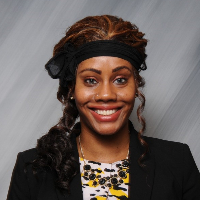
About Tina
Dr. Tina Lott welcomes people who are struggling with addiction, mood concerns, anxiety, relationship strain, grief, self-worth, or parenting stress. She writes in plain terms and focuses on practical steps that can be used between sessions.
Dr. Tina Lott holds a Licensed Clinical Professional Counselor credential and a Licensed Mental Health Counselor credential and brings 11 years of clinical experience. In sessions she listens for patterns that have kept people stuck, such as codependency, abandonment fears, or control issues.
Background and approach
She helps clients name those patterns and tries out different ways of responding. Conversations are goal-oriented and paced to match what the person needs that week. Her background includes work with people who face co-occurring mental health and addiction challenges.
That experience shapes how she approaches relapse risk, triggers, and rebuilding daily routines. She also pays attention to intimate and family concerns that affect mood and functioning. Dr.
Lott teaches counseling at the university level and brings that teaching experience into clinical work. That means she uses clear explanations and helps clients understand skills before practicing them in real life. Her academic work has also focused on stigma and recovery.
Outside of practice she spends time with her family, paints, travels, and exercises. Those interests inform a collaborative style that balances direct feedback with practical homework. Her goal is to help people make steady, usable changes.
Approaches and online options that fit your life
Dr. Lott uses evidence-based therapeutic techniques that focus on skills and behavior change. One approach helps people recognize and change unhelpful patterns such as codependency or control issues by practicing alternative responses in everyday situations. Another method addresses trauma and abuse by stabilizing symptoms, building coping skills, and then processing painful memories at a pace the client can manage. These approaches are useful for addiction recovery, mood disorders, anxiety, and relationship challenges.Choosing the right method is a collaborative process. The therapist and client discuss goals, symptoms, and personal preferences and then try techniques that match those needs. If something isn’t working, they adjust the plan together until they find a better fit.
Online sessions are offered by video call, phone, live chat, or text-based messaging to give flexibility. Video calls allow face-to-face conversation and teaching of skills, phone sessions can be easier when bandwidth is limited, live chat is useful for brief check-ins, and messaging supports ongoing reflection between meetings. These options make it simpler to schedule therapy around work, family, or school demands.
Frequently asked questions
What kinds of problems does she help with?
How would you describe her therapy style?
What experience does she bring to sessions?
What credentials and location are listed?
Are sessions offered in other languages or internationally?
What formats are available for sessions?
How are fees and payment handled?
How do I begin working with her?
Specialties and expertise
Top specialties
- Addictions
- Relationship issues
- Trauma and abuse
Also works with
- Abandonment
- Anger management
- Bipolar disorder
- Codependency
- Control issues
- Depression
- Eating disorders
- Family conflicts
- Grief
- Intimacy-related issues
- LGBT
- Parenting issues
- Self esteem
- Self-love
- Sleeping disorders
- Stress, Anxiety
- Experience
- 11 years
- Licensed
- Illinois, Arizona, Washington
- Languages
- English