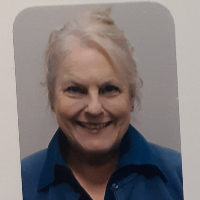
About Sarah
Sarah Ross is a licensed mental health counselor with 27 years of clinical experience in Washington. She has worked in community mental health, drug court settings, and marital counseling centers, and has also served as a clinical supervisor and clinic director. She focuses on practical help for common struggles so families and individuals can take real next steps.
Her work often centers on stress, anxiety, depression, grief and loss, and relationship or family strain.
Background and approach
She helps people with parenting challenges, blended family issues, communication problems, and workplace stress. Sarah also addresses codependency, self-esteem, guilt, and life purpose concerns. In sessions she uses an interactive, down-to-earth style.
She listens without judgment and points out blind spots that may be keeping someone stuck. She mixes supportive coaching with direct feedback so clients can notice shifts and try new behaviors between sessions. Her approach draws on client-centered methods, cognitive behavioral strategies, mindfulness, psychodynamic ideas, and the Gottman Method for relationship work.
She adapts her style to match each person’s needs - sometimes cheerleading and skills coaching, other times a gentler, reflective pace. Sarah reminds people that meaningful change takes time and effort from both the client and therapist. She emphasizes building a strong working relationship and setting clear goals.
Her aim is to help people make steady, practical progress toward the life they want.
Approaches that guide online sessions
Client-Centered Therapy focuses on listening and creating a respectful, nonjudgmental space. It helps people feel heard and supports growth through empathy and encouragement. Cognitive Behavioral Therapy (CBT) looks at the links between thoughts, feelings, and actions and teaches practical skills to change unhelpful thinking and behavior. It is useful for anxiety, depression, and stress-related problems. The Gottman Method targets relationship patterns and communication skills by teaching concrete routines and exercises couples can practice at home.Finding the right mix of methods is part of the work together. The therapist will help identify which approaches fit a person’s goals, needs, and communication style. That process is collaborative and may shift as issues change or as clients try new strategies.
Online formats include video calls, phone sessions, live chat, and text-based messaging to provide flexible support. Video helps when visual cues and a face-to-face feel are useful. Phone sessions can be a quieter option when bandwidth is limited. Live chat and text work well for brief check-ins, skill practice, or when someone prefers written communication. These options make it easier to fit therapy into busy schedules and to keep momentum between sessions.
Frequently asked questions
What concerns does Sarah Ross commonly address?
How would you describe her therapeutic style?
What is her background and experience?
What credentials and location are listed for her?
Which languages are used for sessions and can international clients join?
What session formats does she offer online?
How does pricing work for sessions?
What are the first steps to begin working with her?
Specialties and expertise
Top specialties
- Stress, Anxiety
- Relationship issues
- Family conflicts
Also works with
- Blended family issues
- Career difficulties
- Codependency
- Commitment issues
- Communication problems
- Compassion fatigue
- Coping with life changes
- Depression
- Divorce and separation
- Domestic violence
- Emptiness
- Family of origin issues
- Family problems
- Forgiveness
- Grief
- Guilt and shame
- Life purpose
- Mood disorders
- Parenting issues
- Self esteem
- Self-love
- Trauma and abuse
- Workplace issues
Therapeutic approaches
- Experience
- 27 years
- Licensed
- Washington
- Languages
- English