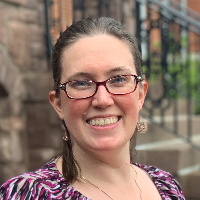
About Rebecca
Rebecca Wagner is a Licensed Mental Health Counselor with nineteen years of experience. She focuses on helping people who are dealing with trauma, mood struggles, anxiety, and the stress of parenting or family change. Her approach is warm and practical, aimed at helping clients find tools that work in daily life.
She centers sessions on each person’s goals and perspective. Sessions are collaborative: she listens first, then offers concrete skills and steps to try.
Background and approach
This can include short skills coaching, problem-solving, or targeted behavioral work based on what a client needs right now. Rebecca uses approaches that fit the problem at hand, including client-centered work, cognitive behavioral techniques, and dialectical behavior strategies. That mix helps with emotional regulation, changing unhelpful thought patterns, and building coping skills for panic, self-harm urges, or grief.
She has experience supporting people with ADHD, bipolar symptoms, relationship and family stress, adoption and foster care issues, and survivors of sexual assault and abuse. Rebecca also addresses communication problems, impulse control, and the transition points that come with life changes. Rebecca offers therapy by phone, video, live chat, or text messaging to allow frequent check-ins and skills practice.
Her style is nonjudgmental and focused on practical steps so clients can try new behaviors between sessions.
How her approaches translate to online therapy
Rebecca uses client-centered methods to follow what matters most to the person in front of her. This approach focuses on listening, reflecting, and helping clients set goals so therapy fits their life. Cognitive Behavioral Therapy, or CBT, targets patterns of thinking and behavior and teaches practical exercises to reduce anxiety, depression, panic, and unhelpful habits.She also draws on Dialectical Behavior Therapy, DBT, for teaching emotion regulation, distress tolerance, and communication skills. DBT-based skills are useful for managing intense emotions, impulsivity, and self-harm urges through step-by-step practice and coaching.
Choosing the right approach is collaborative. The therapist will review symptoms, goals, and preferences with each person and try methods that seem most likely to help. Adjustments are made as progress is tracked so therapy remains focused and relevant.
Online formats include video calls, phone sessions, live chat, and text-based messaging. Video is good for fuller conversations and skills coaching, while phone calls can fit a shorter check-in or someone with lower bandwidth. Live chat and messaging allow brief, frequent contacts and real-time skills practice between sessions. These options make it easier to get regular support around work, parenting, or other commitments.
Frequently asked questions
What concerns does Rebecca commonly address?
What is her therapeutic style like?
How much experience does she have?
What credentials and region apply to her practice?
Which languages are supported and are international clients accepted?
What session formats are available?
How does pricing work for sessions?
How do I begin working with her?
Specialties and expertise
Top specialties
- Trauma and abuse
- Parenting issues
- Self esteem
Also works with
- ADHD
- Adoption and foster care
- Anger management
- Autism and Asperger Syndrome
- Bipolar disorder
- Communication problems
- Coping with life changes
- Depression
- Family conflicts
- Family problems
- Grief
- Impulsivity
- LGBT
- Panic disorder and panic attacks
- Post-traumatic stress
- Relationship issues
- Self-harm
- Sexual assault and abuse
- Stress, Anxiety
Therapeutic approaches
- Experience
- 19 years
- Licensed
- New York
- Languages
- English