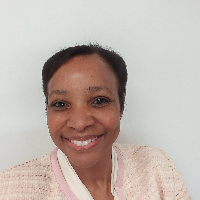
About Marie
Dr. Marie Smith brings a practical, steady presence to sessions. She speaks plainly and listens closely to help parents and individuals find manageable steps through stress, anxiety, grief, relationship strain, and major life transitions.
Dr. Smith has 25 years of experience and holds LMHC and LPC credentials. She works from Louisiana and offers care in English.
Her style centers on understanding how early experiences and life changes shape current problems.
Background and approach
She helps people make sense of family patterns, attachment concerns, abandonment, adoption and foster care issues, and the effects of trauma and abuse. Sessions focus on clear goals and usable tools rather than abstract theory. Dr.
Smith draws on client-centered methods to keep the work grounded in each person’s priorities. She uses cognitive behavioral techniques to identify unhelpful thinking and build new habits. Dialectical behavior therapy skills and mindfulness practices are added when people need better emotional regulation and stress management.
Her background includes work in schools, hospitals, clinics, and correctional settings. That variety informs how she adapts strategies for different needs and life stages. She also supports people dealing with intellectual or developmental disability, autism, impulsivity, and caregiver stress.
Practical matters are part of the plan. Dr. Smith helps with career concerns, college readiness, and problem solving at work.
For those facing separation or divorce she offers focused guidance and can recommend additional resources when broader family involvement is needed.
Approaches that guide online care
Dr. Smith commonly uses client-centered work, cognitive behavioral therapy, and trauma-focused methods in online sessions. Client-centered therapy means sessions center on the person’s own goals and priorities, with the therapist reflecting and asking questions to help them clarify choices and values. Cognitive behavioral therapy focuses on spotting patterns of thinking and behavior that cause distress and then practicing alternatives to change mood and reactions. Trauma-focused work concentrates on understanding how past hurts affect current life and building concrete strategies to reduce symptoms and increase resilience.Choosing the right approach is a collaborative process. The therapist will talk about which methods fit a person’s needs, goals, and preferences and adjust the plan over time. Together they decide whether to emphasize skill building, cognitive work, or trauma processing so the work feels useful and realistic.
Online formats include video calls, phone sessions, live chat, and text-based messaging. Video is useful for in-depth conversations and skills practice. Phone sessions can be better when bandwidth is limited or a person prefers not to be on camera. Live chat and text are helpful for short check-ins, brief coaching, or practicing tools between sessions. These options make it easier to fit therapy into work, school, or caregiving schedules.
Frequently asked questions
What kinds of problems does she address?
How would you describe her therapy style?
What is her background and experience?
What credentials and location are listed for this therapist?
Which languages are supported for sessions?
What session formats are offered?
How is cost handled for sessions?
How do I begin if I want to work together?
Specialties and expertise
Top specialties
- Stress, Anxiety
- Family conflicts
- Trauma and abuse
Also works with
- Abandonment
- Addictions
- Adoption and foster care
- Attachment issues
- Autism and Asperger Syndrome
- Career difficulties
- Caregiver issues and stress
- Coaching
- Coping with natural or human-caused disaster
- Depression
- Divorce and separation
- Family problems
- Grief
- Impulsivity
- Intellectual disability
- Prejudice and discrimination
- Relationship issues
- Women's issues
- Young adult issues
Therapeutic approaches
- Experience
- 25 years
- Licensed
- Louisiana, Florida
- Languages
- English