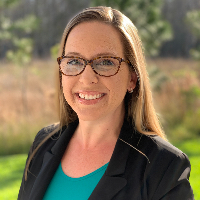
About Crystal
Crystal Willson helps people facing stress, anxiety, depression, addiction concerns, low self-esteem, grief, and trauma. She also supports those coping with relationship strain, career questions, ADHD, compassion fatigue, and big life changes. Crystal practices in Florida as a Licensed Mental Health Counselor, or LMHC, and brings 13 years of clinical experience to her work.
Her sessions are straightforward and interactive. She listens first, then helps clients set clear goals. Conversations focus on practical skills and small steps clients can try between sessions.
Background and approach
Crystal avoids judgment and treats people with respect and empathy. Crystal uses tools from client-centered therapy to make sure each person feels heard. She draws on cognitive behavioral ideas to identify unhelpful thinking and test new behaviors.
Dialectical behavior therapy skills are used when emotion regulation and distress tolerance are needed. Motivational interviewing is part of how she helps people find their own reasons to change. Solution-focused techniques keep work goal-oriented and efficient when clients want quick, practical shifts.
Together these approaches shape a plan tailored to each person’s needs. She has worked in mental health and substance use settings since 2006 and completed a master’s degree in 2008. Crystal aims to create a calm, collaborative atmosphere where clients can try new strategies and measure progress.
If someone is ready to take a step toward change, she supports them in making it practical and manageable.
How her approaches translate to online care
Crystal commonly blends client-centered therapy with cognitive behavioral therapy and motivational interviewing. Client-centered work means the conversation centers on the person’s concerns and values, helping them feel heard and supported. Cognitive behavioral work focuses on spotting unhelpful thoughts and testing new behaviors to reduce anxiety, depression, and mood symptoms. Motivational interviewing helps people clarify their reasons for change and build momentum when they feel stuck.Choosing an approach is collaborative. The therapist will discuss goals, try techniques, and adjust the plan as needs and preferences become clearer. That process helps find what fits best rather than expecting one single method to solve everything.
Online sessions are offered by video calls, phone, live chat, or text-based messaging to make therapy easier to fit into daily life. Video works well for face-to-face conversation and skills practice. Phone sessions can be a good option when bandwidth is limited or a quicker check-in is needed. Live chat and messaging let people share updates between sessions and use short exchanges on busy days. These options aim to increase flexibility and make it simpler to keep momentum toward goals.
Frequently asked questions
What concerns does Crystal address in sessions?
What is her general approach in therapy?
What kind of experience does she have?
Where is she licensed and practicing?
Can sessions be conducted in other languages or internationally?
Which session formats are available?
How does billing and cost work?
What are the steps to begin working together?
Specialties and expertise
Top specialties
Also works with
- ADHD
- Anger management
- Bipolar disorder
- Career difficulties
- Caregiver issues and stress
- Coaching
- Codependency
- Communication problems
- Compassion fatigue
- Coping with life changes
- Coping with natural or human-caused disaster
- Depression
- Divorce and separation
- Drug and alcohol addiction
- Family conflicts
- Grief
- Guilt and shame
- Impulsivity
- Life purpose
- Mood disorders
- Panic disorder and panic attacks
- Post-traumatic stress
- Relationship issues
- Seasonal Affective Disorder (SAD)
- Trauma and abuse
Therapeutic approaches
- Experience
- 13 years
- Licensed
- Florida
- Languages
- English