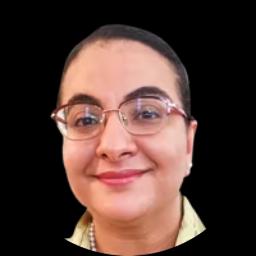
About Yara
Yara Adam is a Licensed Mental Health Counselor who helps people cope with stress, anxiety, depression, and challenges related to trauma and LGBTQ+ identity. She works with clients across New York and with international clients through online sessions. She aims to make the first step toward change feel manageable and direct.
Yara takes a person-centered style. She listens first to learn how each person sees their life. Together she and the client set clear goals and practical next steps.
Background and approach
Sessions focus on what feels most useful in daily life. Her approach honors each person’s strengths and lived experience. She uses evidence-based therapeutic techniques to address mood concerns, post-traumatic stress, and social anxiety.
The work often includes building coping skills and improving how someone talks to themselves and others. Yara also supports people managing caregiver stress, chronic illness or pain, and communication problems. She helps clients navigate sexuality, self-love, and the life shifts that come with big decisions or loss.
The pace is collaborative and paced to what a person needs. She has five years of clinical experience practicing in New York as an LMHC. Sessions are offered by video, phone, live chat, or text-based messaging so therapy can fit into busy schedules.
Yara aims to be a steady, practical partner as people work toward better balance and wellbeing.
How evidence-based techniques work online
Yara draws on evidence-based therapeutic techniques that focus on clear, practical change. One approach emphasizes person-centered work, which centers the client’s own goals and perspectives and helps shape the direction of therapy. This approach is useful for identity issues, self-worth, and deciding next steps in life.Another common element is skills-based work that targets anxiety and mood problems. This usually involves teaching short, concrete strategies for managing worry, improving sleep, reducing avoidance, and handling upsetting memories or triggers. These practices are aimed at day-to-day functioning and can be practiced between sessions.
Finding the right mix of approaches is a collaborative process. The therapist will discuss what feels most relevant and try methods that match the client’s needs and preferences. Together they adjust pace, focus, and techniques as progress is made.
Online formats - video calls, phone sessions, live chat, and text-based messaging - make it easier to fit therapy into a busy life. Video allows face-to-face conversation, phone can be lower bandwidth, and chat or messaging supports shorter check-ins and ongoing reflection. These options give flexibility while keeping the work focused on goals and practical change.
Frequently asked questions
What kinds of concerns does this therapist support?
How would you describe her therapeutic style?
What is her background and experience?
What credentials and location information are provided?
In which languages can sessions be held?
Which session formats are offered?
How are costs handled for therapy?
What steps are needed to begin therapy?
Specialties and expertise
Top specialties
Also works with
- Experience
- 5 years
- Licensed
- New York
- Languages
- English