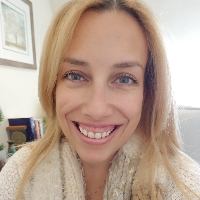
About Narcisa
Narcisa Sierra uses a blend of mindfulness, psychodynamic ideas, trauma-focused work, and Internal Family Systems in her practice. She is a Licensed Mental Health Counselor, or LMHC, practicing in New York. She focuses on helping people manage anxiety, stress, depression, and addiction concerns with clear, practical strategies.
Narcisa listens for the patterns that shape a person's reactions. She helps people name feelings and notice how past experiences affect day-to-day life.
Background and approach
Sessions often include mindful breathing, reflection on relationship patterns, and gentle work on traumatic memories when the person is ready. She has about ten years of experience working with people who face grief, bipolar mood changes, anger, and difficulty sleeping. Narcisa also supports those coping with parenting stress, career strain, and life transitions that feel overwhelming.
She pays attention to attachment issues, codependency, and dissociation when these themes come up. Therapy with her mixes practical tools and talking through deeper life stories. People may practice new ways to calm the body, test different relationship habits, and make small changes that add up.
Narcisa aims to help clients feel steadier and more able to handle daily challenges. Sessions are offered in English and she accepts international clients. People who want to begin will answer a short matching questionnaire and schedule sessions based on the therapist's availability.
Approaches that work well online for trauma and patterns
Mindfulness Therapy helps people notice bodily sensations and breathing in the moment to reduce overwhelm; it can provide quick calming tools for anxiety and stress. Psychodynamic Therapy focuses on identifying recurring patterns and early relationship experiences that shape behavior, which can help when someone wants to understand why they react a certain way. Trauma-Focused Therapy involves paced work with distressing memories and triggers so people can build safety and tolerance for difficult emotions.Finding the right approach is part of the work together. The therapist will discuss goals and preferences and try methods that match the person's needs. That collaborative process helps decide whether to emphasize present-moment skills, deeper reflection, or focused trauma work at any time.
Online sessions are offered by video calls, phone sessions, live chat, or text-based messaging to make care more flexible. Video calls are useful for full conversations and nonverbal cues. Phone sessions can fit a busy schedule or use less data. Live chat and text messaging are handy for brief check-ins, step-by-step coping guidance, or shorter exchanges between sessions. These options make it easier to keep continuity of care while fitting therapy into everyday life.
Frequently asked questions
What kinds of problems does she help with?
How would you describe her therapy style?
What is her background and experience?
Where is she licensed and based?
Do sessions take place in other languages or countries?
What session formats are available?
How much do sessions cost?
How do I begin working with her?
Specialties and expertise
Top specialties
Also works with
- Addictions
- ADHD
- Anger management
- Attachment issues
- Avoidant personality
- Bipolar disorder
- Career difficulties
- Codependency
- Coping with life changes
- Depression
- Dissociation
- Drug and alcohol addiction
- Family conflicts
- Grief
- Parenting issues
- Post-traumatic stress
- Relationship issues
- Sexual assault and abuse
- Sleeping disorders
Therapeutic approaches
- Experience
- 10 years
- Licensed
- New York
- Languages
- English