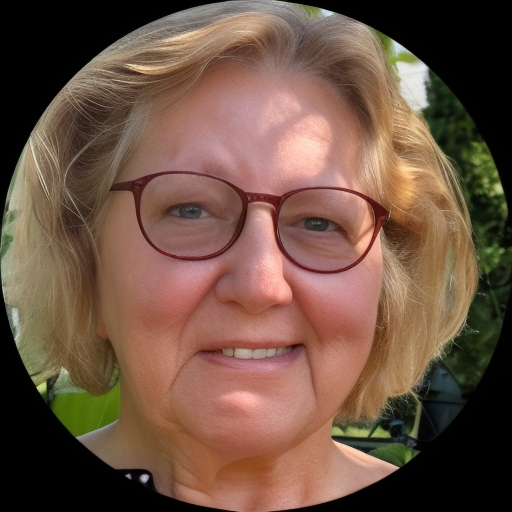
About Laura
Laura Wagner is a licensed mental health counselor (LMHC) in Indiana with 32 years of clinical experience. She helps people manage anxiety, depression, addiction concerns, trauma, and ADHD using practical, person-focused care. Her approach aims to make therapy understandable and directly useful to daily life.
She listens for what matters most to each person and adapts sessions to fit their goals. Conversations focus on clearer communication, reducing isolation, and rebuilding a sense of purpose.
Background and approach
Laura uses straightforward techniques to help people notice patterns and try new ways of coping. Her sessions encourage self-compassion and steady progress rather than quick fixes. She works with clients to identify strengths and small steps that lead to real change.
Motivational methods help when people feel stuck or uncertain about next moves. Laura blends short-term problem solving with deeper reflection. That can mean practicing new behaviors one week and looking at the life stories that shape them another week.
The mix supports both immediate relief and longer-term insight. She offers a calm, nonjudgmental space and focuses on what a person wants to get out of therapy. Practical tools, clearer communication skills, and building emotional resilience are common outcomes people aim for in her work.
How her approaches shape online care
Client-Centered Therapy centers on the person in front of the therapist. It emphasizes listening, empathy, and helping people set their own goals. This approach is helpful when someone needs a respectful space to sort through feelings and decide what matters next.Cognitive Behavioral Therapy, or CBT, focuses on the link between thoughts, feelings, and behaviors. Sessions include simple exercises to change unhelpful thinking and test new behaviors, which can reduce anxiety or low mood over time.
Motivational Interviewing uses short, goal-oriented conversations to build motivation for change. It is often used when someone feels stuck about habits or choices and wants clearer reasons to try different actions.
Finding the right approach is part of the process. The therapist will work collaboratively to try methods that match a person's goals, needs, and preferences. Plans can shift over time as progress and priorities change.
Online therapy offers practical flexibility. Video calls allow face-to-face interaction when a longer session is helpful. Phone sessions and live chat fit brief check-ins or lower-bandwidth situations. Text-based messaging supports quick reflections, homework, or scheduling between meetings. These options help make regular care easier to fit into busy lives.
Frequently asked questions
What concerns does she work with?
What is her therapy style like?
How much clinical experience does she have?
What credentials and location apply?
Which languages are supported?
What session formats are available?
How are costs and payment handled?
How do I begin therapy with her?
Specialties and expertise
Top specialties
Therapeutic approaches
- Experience
- 32 years
- Licensed
- Indiana
- Languages
- English