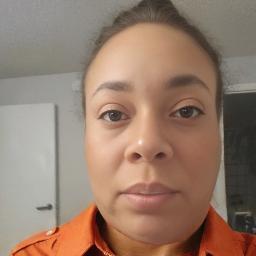
About Courtney
Courtney Saddler is a licensed mental health counselor in Florida with five years of clinical experience. She focuses on helping people who are facing stress, anxiety, trauma and abuse, grief, anger, and depression. Courtney aims to make the first step toward change feel manageable and clear.
She uses straightforward, evidence-based methods to help people calm overwhelming feelings and handle day-to-day challenges. Sessions focus on practical skills for managing anxiety, tools for navigating grief, and ways to reduce anger so it no longer gets in the way of life.
Background and approach
Conversations are direct but warm, aimed at building steady progress. Courtney places emphasis on honest conversation and a nonjudgmental space. She helps people talk through difficult memories and painful emotions, and supports work on issues like guilt, shame, and loneliness.
She also guides people who want to improve communication, explore life purpose, or build self-love. Her approach is collaborative. People set goals together and pick techniques that suit their situation.
Progress is measured in simple steps so change feels concrete rather than abstract. Courtney offers sessions in English and welcomes international clients. Her practice includes video calls, phone sessions, live chat, and text-based messaging, giving several ways for people to connect that fit busy schedules and differing comfort levels.
Evidence-based approaches for online support
Two common evidence-based techniques used in her work are skills-based behavioral approaches and trauma-focused methods. Skills-based behavioral work teaches clear tools for managing anxiety, reducing anger, and handling mood changes through repeated practice and real-life steps. Trauma-focused methods center on processing difficult memories and reducing their daily impact with gradual, manageable interventions. Courtney treats choosing the right approach as a collaborative process. She will talk with each person about their goals, preferences, and what feels most useful. Together they decide which techniques to try and make small adjustments as progress is made. Online therapy offers several practical benefits for this kind of work. Video calls let people use visual cues and get a face-to-face feel while staying in a familiar place. Phone sessions are useful when bandwidth is limited or when someone prefers not to be on camera. Live chat and text-based messaging support shorter check-ins, ongoing skill practice, or sending notes between sessions. These options make it easier to fit therapy around work, family, and daily life while keeping the focus on steady, skill-based progress.Frequently asked questions
What issues does she help with?
What is her therapeutic style?
How much experience does she have?
Where is she licensed and based?
Which languages are supported?
What session formats are available?
How does payment and cost work?
How do I begin working with her?
Specialties and expertise
Top specialties
Also works with
- Experience
- 5 years
- Licensed
- Florida
- Languages
- English