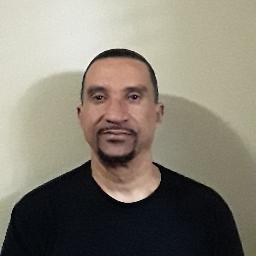
About Cornell
Cornell Anderson is a licensed mental health counselor (LMHC) based in Washington with 12 years of clinical experience. He draws on a range of approaches to meet each person's needs and focuses on practical steps people can use between sessions. He presents a calm, straightforward style and aims to make therapy an approachable part of everyday life.
Cornell works with people facing stress, anxiety, depression, addiction concerns, and relationship or intimacy struggles.
Background and approach
He also supports clients dealing with trauma and abuse, eating concerns, anger, low self-esteem, bipolar disorder, and major life transitions. He helps people talk through identity and LGBT-related issues and challenges tied to prejudice or multicultural stress. In sessions he blends techniques from cognitive behavioral therapy and acceptance and commitment therapy with client-centered conversation and emotionally focused ideas.
That mix is used to help people notice unhelpful patterns, practice new skills, and clarify values. He also addresses obsessive-compulsive behaviors, process addictions, sexual concerns, and complex personality-related difficulties. Cornell has experience addressing infidelity, veteran and armed forces issues, and non-monogamous relationship dynamics.
He offers concrete tools for coping, relapse prevention work around substance concerns, and guided conversations after sexual assault or abuse. He provides therapy in English and works with individuals to set clear goals, track progress, and adjust the plan as needed. People who want direct feedback, practical exercises, and a respectful, nonjudgmental space often find his approach useful.
Therapeutic approaches and how they translate online
Acceptance and Commitment Therapy (ACT) focuses on helping people name what matters most and take steps that match their values while learning to sit with difficult thoughts. ACT can be useful for anxiety, depression, and life transitions where values and motivation feel unclear.Cognitive Behavioral Therapy (CBT) focuses on noticing patterns of thought and behavior that keep problems going and then practicing small changes to shift those patterns. CBT tools are helpful for anxiety, mood concerns, obsessive-compulsive behaviors, and many stress-related problems.
Client-Centered Therapy emphasizes a respectful, nonjudgmental conversation where the person’s own goals guide the work and the therapist offers empathic listening and feedback.
Finding the right approach is usually a collaborative process. Cornell will work with each person to identify goals, try methods that fit their situation, and adjust over time so the plan matches preferences and progress.
Online formats offer practical benefits. Video calls allow face-to-face conversation and skill demonstration. Phone sessions take less bandwidth and can fit into a work break. Live chat or text-based messaging support quick check-ins, written exercises, and ongoing tracking between sessions. These options make it easier to fit therapy into a busy life while using the methods that work best for each person.
Frequently asked questions
What kinds of problems does he help with?
How would you describe his therapy style?
What is his professional background?
Where is he licensed and based?
Which languages are supported for sessions?
What session formats are available?
How does payment and cost work?
How do I begin working with him?
Specialties and expertise
Top specialties
- Stress, Anxiety
- Relationship issues
- Family conflicts
Also works with
- Addictions
- Anger management
- Bipolar disorder
- Career difficulties
- Coping with life changes
- Depression
- Eating disorders
- Infidelity
- Intimacy-related issues
- LGBT
- Multicultural concerns
- Obsessions, compulsions, and OCD
- Parenting issues
- Personality disorders
- Polyamory / non-monogamous relationships
- Prejudice and discrimination
- Process addiction (porn, exercise, gambling)
- Self esteem
- Self-harm
- Sex addiction
- Sexual assault and abuse
- Sexual dysfunction
- Trauma and abuse
- Veteran and Armed Forces Issues
Therapeutic approaches
- Experience
- 12 years
- Licensed
- Washington
- Languages
- English