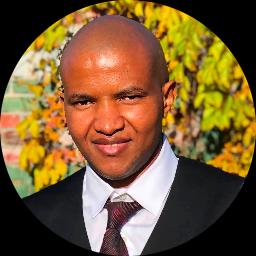
About Christopher
Christopher Karware helps people manage stress, anxiety, depression, and the effects of trauma and abuse. He also supports those struggling with self-esteem, panic attacks, and major life changes. Christopher speaks both English and Swahili and practices as a licensed mental health counselor in Georgia.
Christopher frames therapy as a collaborative process. He treats clients as the experts on their own lives and looks for strengths to build on. Sessions focus on clear, practical steps and honest conversation rather than long lectures or jargon.
Background and approach
With ten years of professional experience, Christopher draws on established therapeutic methods to address mood disorders, post-traumatic stress, and attachment-related concerns. He pays attention to issues such as abandonment, guilt and shame, body image, and isolation. The work aims to reduce symptoms and improve daily functioning.
In a typical session he listens for patterns that keep someone stuck. Then he helps set small, achievable goals and practices skills together. He prioritizes straightforward feedback and gentle challenges to shift unhelpful thinking and behavior.
Christopher believes starting therapy takes courage and acknowledges that step. He guides scheduling and next steps in a simple way so people can focus on making progress. His approach is practical, direct, and respectful of each person's story.
Practical approaches for online care and healing
Christopher uses evidence-based therapeutic techniques aimed at reducing symptoms and improving day-to-day coping. One common approach focuses on identifying unhelpful thought and behavior patterns, then practicing small changes that reduce anxiety and lift mood. This method helps with panic, low mood, and recurring negative thinking. Another approach centers on understanding attachment and relationship patterns to address abandonment, isolation, and shame. Working through these patterns can improve how someone relates to themselves and others and ease emotional pain.Finding the right approach is part of the work. The therapist will collaborate with each person to choose methods that match their needs, goals, and preferences. That means trying strategies, checking what helps, and adjusting the plan together over time.
Online therapy offers practical flexibility. Video calls let people see facial cues and have deeper conversations. Phone sessions use less bandwidth and can be easier on the go. Live chat and text-based messaging provide quick check-ins or ongoing support between sessions. These options make it simpler to fit therapy into a busy life and keep progress moving forward.
Frequently asked questions
What kinds of concerns does this therapist address?
How would you describe the therapeutic style here?
What experience does the therapist have?
What credentials and location should I know about?
In which languages can I work with this therapist?
Which session formats are available?
How does cost and billing work?
What are the first steps to begin therapy?
Specialties and expertise
Top specialties
Also works with
- Experience
- 10 years
- Licensed
- Georgia, Massachusetts
- Languages
- English, Swahili