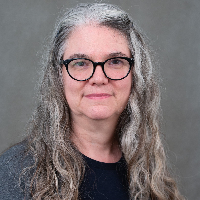
About Christine
Christine Wagner is a licensed mental health counselor who helps people cope with stress, anxiety, grief, trauma, and relationship struggles. She practices in New York and brings 20 years of experience to each session. Christine focuses on practical steps people can use between appointments to feel steadier in daily life.
Her approach is down-to-earth and individualized. She listens first, then offers tools and small experiments people can try. Sessions are collaborative and paced to match what each person needs in the moment.
Background and approach
Christine draws from Acceptance and Commitment Therapy, Dialectical Behavior Therapy, and Eye Movement Desensitization and Reprocessing. She also uses mindfulness practices she teaches as a qualified Mindfulness Based Stress Reduction instructor. Those methods are applied in simple ways to manage intense feelings, process difficult memories, and rebuild a sense of control.
Before moving into outpatient care, Christine worked for many years in a hospital setting. Since 2019 she has provided outpatient therapy and has offered telehealth services since March 2020. She also teaches as an adjunct professor and brings that teaching mindset into sessions by explaining techniques clearly.
People who choose her often want steady guidance, practical coping strategies, and help making sense of painful experiences. Christine aims to walk alongside each person, offering consistent support while helping them try things that fit their life.
Therapeutic approaches you can use online
Acceptance and Commitment Therapy (ACT) encourages people to notice difficult thoughts and feelings without getting stuck in them, then choose actions that reflect their values to move forward. Dialectical Behavior Therapy (DBT) offers clear skills for regulating intense emotions, managing crises, and improving interpersonal effectiveness. Eye Movement Desensitization and Reprocessing (EMDR) helps people process distressing memories by pairing focused attention with guided bilateral stimulation to reduce emotional charge.Finding the right approach is part of the work. The therapist will talk with each person about symptoms, goals, and preferences, then recommend a path and adjust it as progress is made. This collaborative process helps align techniques with what actually fits someone’s life and needs.
Online therapy offers practical flexibility. Video calls allow full visual connection for skills practice and EMDR-style work, phone sessions can be a simpler option when bandwidth is limited, and live chat or text-based messaging can support quick check-ins, ongoing skill coaching, or shorter updates between sessions. These formats make it easier to fit therapy into busy schedules and to use tools in the moments they are needed.
Frequently asked questions
What concerns does Christine commonly address?
How would you describe her therapeutic style?
What experience does she bring to sessions?
What are her credentials and where does she practice?
Which languages are supported for sessions?
Can international clients work with her?
What session formats are available online?
How do pricing and getting started work?
Specialties and expertise
Top specialties
- Stress, Anxiety
- LGBT
- Family conflicts
Also works with
- Chronic pain, illness, and disability
- Compassion fatigue
- Coping with life changes
- Depression
- Gender dysphoria
- Grief
- Parenting issues
- Post-traumatic stress
- Relationship issues
- Sexuality
- Trauma and abuse
- Traumatic brain injury
- Women's issues
- Young adult issues
Therapeutic approaches
- Experience
- 20 years
- Licensed
- New York
- Languages
- English