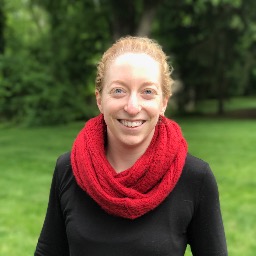
About Carrie
Carrie Robinson is a Licensed Mental Health Counselor who aims to help people feeling overwhelmed by stress, anxiety, low self-esteem, or depression. She works with adults navigating relationship strain, LGBT concerns, grief, ADHD-related challenges, and other life transitions. Her tone is practical and direct, focused on small steps that add up to change.
She holds a Master of Arts with a dual focus in Movement Therapy and Counseling. That background makes her attentive to how the body and emotions interact, and she uses movement awareness alongside talk-based work when it fits a person’s needs.
Background and approach
Carrie brings nine years of clinical experience across varied settings to her practice. Carrie uses Dialectical Behavior Therapy to teach skills for coping with intense emotions and improving relationships. She also incorporates mindfulness practices to help people notice thoughts and bodily sensations without judgment.
Solution-Focused Therapy guides brief goal-setting and practical steps that move people forward between sessions. Sessions are conversational and goal-oriented. Carrie helps people break problems into manageable pieces and practices new skills together in session.
She encourages homework that feels useful rather than overwhelming, and she adjusts pace to what each person can handle. People who want a collaborative process tend to do well with her style. Carrie emphasizes clear communication, routine skill practice, and tracking small wins.
She is based in Connecticut and works with adults who prefer a combination of practical tools and body-aware attention.
Practical approaches for online therapy and skill building
Carrie draws on Dialectical Behavior Therapy to teach clear, usable skills for managing strong emotions and improving relationships. DBT focuses on distress tolerance, emotion regulation, and communication skills that help during high-stress moments.She also uses Mindfulness Therapy to help people notice thoughts and body sensations with less judgement. Mindfulness practice can reduce reactivity and make it easier to choose helpful responses instead of acting on impulse.
Finding the right approach is a collaborative process. Carrie works with each person to decide which methods fit their needs, goals, and comfort level. She adjusts the mix of skills training, mindfulness, and solution-focused work as progress is made.
Online formats include video calls, phone sessions, live chat, and text-based messaging. Video sessions allow face-to-face conversation and demonstrations of skills. Phone sessions can be a good option when bandwidth is limited or for a focused check-in. Live chat and text messaging are useful for brief updates, quick skill coaching, or when writing feels easier than speaking. These options make it easier to fit therapy into a busy life and to practice new strategies between meetings.
Frequently asked questions
What concerns does Carrie commonly address?
What is Carrie’s therapeutic style like?
How long has she been practicing?
What credentials does she hold and where is she located?
Are sessions available in languages other than English?
What session formats are offered?
How does payment work and what does it cost?
What are the first steps to begin working together?
Specialties and expertise
Top specialties
Also works with
- ADHD
- Commitment issues
- Communication problems
- Drug and alcohol addiction
- Emptiness
- Family conflicts
- Grief
- Isolation / loneliness
- LGBT
- Life purpose
- Mood disorders
- Panic disorder and panic attacks
- Relationship issues
- Seasonal Affective Disorder (SAD)
- Self-harm
- Self-love
- Social anxiety and phobia
- Young adult issues
Therapeutic approaches
- Experience
- 9 years
- Licensed
- Connecticut, Massachusetts, New Hampshire
- Languages
- English