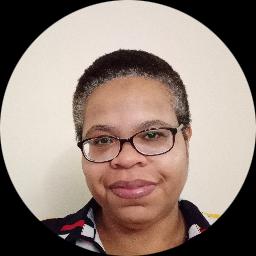
About Ashante
Ashante Webb is a Licensed Mental Health Counselor who focuses on creating a calm, accepting space for people to talk about what matters most to them. She emphasizes a warm, client-centered style that helps people feel heard and understood. Ashante uses practical tools to reduce distress and build skills for handling daily life.
She combines eye movement desensitization and reprocessing with mindfulness and client-centered work to address trauma, anxiety, and low mood.
Background and approach
Sessions are tailored to each person's needs, with straightforward conversation and coping strategies. Ashante helps people manage symptoms related to bipolar disorder, depression, and ADHD while also addressing grief and anger. Communication problems, attachment concerns, and feelings of abandonment are often covered in session.
She also supports people dealing with workplace stress, panic attacks, and social anxiety. The focus is on small, steady changes that make everyday life easier. Ashante brings four years of clinical experience in New York to her practice as an LMHC.
She explains approaches in plain terms and works together with people to set goals. Progress is tracked through regular check-ins and adjustments to the plan. People can expect a respectful, down-to-earth style that balances listening with practical exercises.
The aim is to help people feel more capable and to find clearer ways forward. Sessions are offered in English and adjusted to each person's schedule and needs.
How her approaches work in online sessions
Ashante uses client-centered therapy to start most work. That means sessions focus on the person in front of her and what they want to change. Conversations are guided by the client's goals and paced to what feels manageable.She also uses eye movement desensitization and reprocessing, or EMDR, to address trauma memories and their emotional impact. EMDR in an online format involves targeted processing and structured steps to reduce the intensity of upsetting memories. Mindfulness therapy is used to build attention and reduce reactivity, teaching simple breathing and grounding exercises people can use between sessions.
Choosing the right approach is part of the process. The therapist discusses options and helps decide which method fits a person's needs, goals, and comfort level. This is a collaborative decision and may change as progress is made.
Online therapy offers practical flexibility through video calls, phone sessions, live chat, and text messaging. Video allows face-to-face interaction for teaching skills and guiding EMDR. Phone calls can be easier when bandwidth is limited, and text or live chat work well for brief check-ins or tracking progress between sessions. These formats make it simpler to fit therapy into a busy day.
Frequently asked questions
What concerns does Ashante commonly address?
What is her therapy style like?
How much clinical experience does she have?
Where is she licensed and where does she practice?
Which languages are available for sessions?
Are international clients accepted?
What formats are used for sessions?
How do I begin working with her?
Specialties and expertise
Top specialties
- Stress, Anxiety
- Self esteem
- Bipolar disorder
Also works with
Therapeutic approaches
- Experience
- 4 years
- Licensed
- New York
- Languages
- English