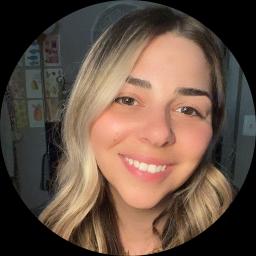
About Angela
Angela Flynn is a licensed mental health counselor who helps people manage stress, anxiety, relationship concerns, trauma and abuse, low self-esteem, and depression. She speaks plainly and focuses on practical steps people can use right away. Her tone is respectful and compassionate while staying direct and helpful.
Flynn draws on three years of hands-on experience working with people facing panic, social anxiety, body image struggles, and feelings of isolation. She creates short-term goals and small experiments so progress is easier to notice.
Background and approach
Sessions center on clear conversations and concrete strategies rather than long lectures. She adapts the work to each person. That can mean building skills to calm panic, sorting out patterns that harm self-worth, or practicing different ways to talk about needs in relationships.
Homework is straightforward and tied to daily life so skills stick beyond the session. Angela believes respect and sensitivity are essential. She aims to make the space safe for honest discussion and for taking real steps forward.
People who feel stuck, overwhelmed, or discouraged will find a calm, steady presence and practical tools here. Her practice is based in New York and she offers multiple ways to meet, including video and phone. The focus is on helping people feel more capable and less overwhelmed by everyday challenges.
How Angela Flynn Uses Evidence-Based Techniques Online
Angela uses evidence-based therapeutic techniques that focus on skill-building and clear behavior change. One common approach she uses teaches breathing, grounding, and exposure-style practices to reduce panic and social anxiety symptoms; these are short exercises you can practice during a session and at home to reduce immediate distress.Another useful method centers on identifying negative self-beliefs and testing them with small behavioral experiments. This helps with low self-esteem, body image concerns, guilt, and shame by turning ideas into measurable steps and noticing what actually changes.
Finding the right approach is part of the collaborative process. The therapist works together with each person to pick methods that match their goals and preferences, and adjusts the plan as progress is seen or needs shift.
Online formats include video calls, phone sessions, live chat, and text-based messaging. Video allows face-to-face interaction for skill practice, phone calls can be easier when bandwidth is limited, and messaging is useful for short check-ins or ongoing homework support. These options make it easier to fit therapy into busy days and to continue work between sessions.
Frequently asked questions
What concerns does she address?
What is her style in sessions?
What experience does she bring?
What credentials and location are listed?
Which languages are supported?
How can sessions be conducted?
How are sessions billed?
What are the first steps to begin?
Specialties and expertise
Top specialties
- Stress, Anxiety
- Relationship issues
- Trauma and abuse
Also works with
- Experience
- 3 years
- Licensed
- New York
- Languages
- English