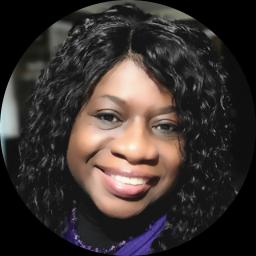
About Abey
Abey Adams-Adasah uses practical, evidence-based therapeutic techniques to help people manage stress and anxiety and improve their day-to-day coping. She is a Licensed Mental Health Counselor, LMHC, practicing in Florida with three years of experience. Abey aims to make sessions feel approachable and straightforward for people who are worried or overwhelmed.
She focuses on common concerns such as anger, low self-esteem, depression, and the strain that comes with life changes.
Background and approach
Abey also helps people who struggle with loneliness, guilt and shame, or difficulty communicating with others. Sessions are aimed at helping people notice patterns, try small changes, and build better habits over time. In the therapy room she creates an open space where thoughts and feelings can be shared without fear of judgment.
Conversations are collaborative and paced to each person’s comfort. Abey encourages concrete steps between sessions to turn insights into real change. Her work emphasizes building self-love, improving communication, and finding forgiveness where it feels right.
She supports people in strengthening motivation and confidence so daily challenges feel more manageable. The goal is steady progress toward a more fulfilling, balanced life. People begin by describing what feels most urgent, and then together they map a plan that fits daily life.
Abey keeps language plain and focuses on what can be done now, rather than on complex labels or techniques.
Evidence-based approaches for online support
Abey uses practical, evidence-based techniques to help people manage stress, anxiety, anger, and low self-esteem. One common approach focuses on identifying unhelpful thinking patterns and testing them with real-world steps to reduce anxiety and lift mood. Another approach emphasizes small behavioral changes and routines to build confidence, motivation, and emotional balance.Choosing the right approach is part of the work. The therapist will talk with each person about goals, daily life, and preferences, then suggest approaches to try together. That way clients and the therapist decide collaboratively what feels most useful and adjust as needed over time.
Online therapy offers flexibility through video calls, phone sessions, live chat, or text-based messaging. Video allows face-to-face conversation when more connection is helpful. Phone sessions work well for people with limited bandwidth or who prefer not to be on camera. Live chat and text messaging are useful for brief check-ins, quick coping strategies, or fitting therapy into a busy day. These options make it easier to keep therapy consistent around work, family, and other responsibilities.
Frequently asked questions
What kinds of concerns does she help with?
What is her style of therapy?
How much clinical experience does she have?
What credentials and location apply?
Which languages are supported for sessions?
What session formats are available?
How does payment and cost work?
How do I begin working with her?
Specialties and expertise
Top specialties
- Stress, Anxiety
- Anger management
- Self esteem
Also works with
- Experience
- 3 years
- Licensed
- Florida
- Languages
- English