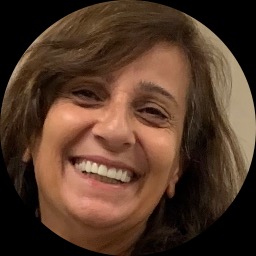
About Nawal
Dr. Nawal Aboulhosn helps people dealing with stress, anxiety, addictions, and depression. She also focuses on challenges connected to adoption and foster care, attachment issues, and blended family concerns.
She speaks English and Arabic and provides care from Florida. Dr. Aboulhosn uses clear, practical methods in sessions.
She draws from Attachment-Based Therapy to look at relationship patterns. She uses Cognitive Behavioral Therapy to identify unhelpful thoughts and try different responses.
Background and approach
Mindfulness techniques are woven in to help manage strong emotions. Her style is collaborative and straightforward. Sessions often include goal setting, gentle skills practice, and talking through recent situations.
She adapts techniques to fit each person's concerns and pace. Dr. Aboulhosn holds a doctorate focusing on family and marriage counseling and is credentialed as a Licensed Marriage and Family Therapist (LMFT) and a Licensed Mental Health Counselor (LMHC).
She has three years of documented experience in the context supplied here and works with people from diverse backgrounds. People can expect a mix of short-term skill work and deeper conversations when needed. Appointments are offered through video calls, phone sessions, live chat, or text-based messaging.
For those outside the U.S., international sessions are accepted.
Therapeutic approaches for online work
Attachment-Based Therapy looks at how relationship patterns formed early on affect current connections. Online sessions can use this approach to map interaction habits and practice new ways of relating during conversations. Cognitive Behavioral Therapy (CBT) focuses on identifying unhelpful thoughts and testing different behaviors to change feelings and outcomes. In remote sessions this often involves short between-session exercises and concrete skill practice. Emotionally-Focused Therapy (EFT) helps people notice and name emotions that drive their interactions and then try new responses to strengthen bonds and reduce distress.Choosing the right approach is part of the process and will be a shared decision. The therapist will talk about goals and preferences, try methods that fit the person, and adjust as progress unfolds. That collaborative stance helps match techniques to the issues that matter most.
Online formats offer practical flexibility. Video calls allow face-to-face interaction and visual cues, phone sessions work well when bandwidth is limited, live chat can support brief check-ins or focused problem-solving, and text-based messaging helps maintain momentum between sessions. These options make it easier to fit therapy into busy schedules and to keep working on skills in real time.
Frequently asked questions
What kinds of concerns does this therapist help with?
What is her therapeutic style like?
What background and experience does she have?
What credentials and location are listed?
Which languages are offered for sessions?
What session formats are available?
How does cost and billing work?
How do I begin working with this therapist?
Specialties and expertise
Top specialties
Therapeutic approaches
- Experience
- 3 years
- Licensed
- Florida
- Languages
- English, Arabic