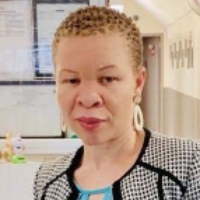
About Michelle
Michelle Emode is a licensed mental health counselor (LMHC) who uses practical, person-centered methods to help people cope with life stress and substance-related concerns. She focuses on clear steps people can take to feel steadier and more in control. Michelle writes and talks plainly in sessions and aims to build a trusting working relationship with each person she meets.
She draws on cognitive behavioral techniques to help people notice and change unhelpful thoughts and habits.
Background and approach
Solution-focused and motivational approaches guide short-term goal setting and strengthen motivation for change. Narrative elements help people make sense of painful experiences and reclaim their own story. Michelle has six years of experience offering individual and group counseling.
Much of her work has focused on substance use and the problems that often sit behind it, such as anxiety, depression, trauma, grief, and relationship struggles. She helps people untangle those connections and find concrete ways to move forward. She also supports people dealing with parenting stress, intimacy challenges, anger, self-esteem issues, and life transitions.
Additional areas of focus include immigration-related concerns, multicultural stress, postpartum depression, prejudice and discrimination, process addictions, and Seasonal Affective Disorder. Michelle practices from New York and offers flexible session formats. She centers each conversation on what the person wants to change and works step by step to reach practical, manageable goals.
Therapeutic approaches and online care
Client-centered therapy focuses on understanding each person's experience and building a strong working relationship. It helps when someone needs a supportive space to talk through feelings and decide what matters most to them. Cognitive Behavioral Therapy, or CBT, looks at the links between thoughts, feelings, and behaviors and offers hands-on strategies to change patterns that cause distress. This approach is often used for anxiety, depression, and unhelpful habits. Motivational Interviewing helps people find and strengthen their own reasons to change, which is useful for substance use and situations where motivation fluctuates.Choosing the right approach is a collaborative process. The therapist will listen to your goals, try different techniques, and work with you to find what fits. That means adjusting methods over time so sessions match your needs and preferences.
Online therapy offers flexible ways to meet using video calls, phone sessions, live chat, or text-based messaging. Video is helpful for deeper conversation and visual cues, phone sessions can be easier when bandwidth is limited, live chat suits people who prefer typed conversation, and messaging is useful for shorter check-ins between sessions. These options make it easier to fit therapy into busy lives and maintain regular contact with licensed professionals.
Frequently asked questions
What types of problems does this therapist help with?
How would you describe the therapeutic style used here?
What is the therapist's background and experience?
Where is the therapist licensed and based?
Are sessions available in languages other than English?
What session formats are offered for therapy?
How are costs and billing handled?
What steps should I take to begin working together?
Specialties and expertise
Top specialties
Also works with
- Anger management
- Coping with life changes
- Depression
- Family conflicts
- Grief
- Immigration issues
- Intimacy-related issues
- Multicultural concerns
- Parenting issues
- Postpartum depression
- Prejudice and discrimination
- Process addiction (porn, exercise, gambling)
- Relationship issues
- Seasonal Affective Disorder (SAD)
- Self esteem
Therapeutic approaches
- Experience
- 6 years
- Licensed
- New York
- Languages
- English