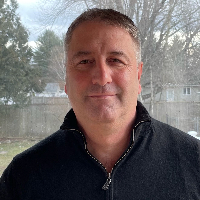
About Martin
Martin Kane is a Licensed Mental Health Counselor with more than 21 years of experience. He helps people facing stress, anxiety, depression, grief, relationship and intimacy concerns, and struggles with trauma or bipolar symptoms. He also supports people dealing with anger, sleep problems, parenting strains, self-esteem issues, career changes, ADHD, and major life transitions.
Martin keeps sessions focused on the person in front of him. He uses straightforward talk, active listening, and practical exercises to help people manage symptoms and make changes.
Background and approach
He draws from several approaches so the work matches a person’s needs rather than fitting everyone into one method. In sessions he blends client-centered work with cognitive behavioral techniques and skills from dialectical behavior therapy. He also brings mindfulness practices and trauma-focused ideas when those fit a person’s history and goals.
Each plan is adapted over time based on what helps most. People can expect a calm, respectful space where the therapist listens and offers concrete steps. He aims to break problems into manageable pieces and build coping skills that fit everyday life.
Progress is tracked in small, practical ways so goals feel achievable. Martin practices in Massachusetts and holds an MA and the Licensed Mental Health Counselor credential. He has worked in both community and inpatient settings, and he uses that experience to inform treatment choices.
Sessions are offered in English and use accessible, down-to-earth language.
Therapeutic approaches and how they work online
Client-centered therapy focuses on listening and responding to each person without judgment. It helps people feel heard, clarify their priorities, and find personal solutions that fit their life. Cognitive Behavioral Therapy, or CBT, looks at how thoughts and behaviors keep problems going and teaches practical tools to change those patterns, which can help with anxiety, depression, sleep, and coping skills. Dialectical Behavior Therapy, or DBT, adds skills for managing intense emotions, improving relationships, and handling stress through step-by-step exercises.Choosing the right approach is a shared process. The therapist will talk with the person about their goals and try different techniques to see what helps most. Plans are adjusted over time so the work stays practical and relevant to everyday life.
Online sessions are offered by licensed professionals through video calls, phone sessions, live chat, or text-based messaging. Video calls let people use face-to-face conversation from wherever they are. Phone sessions work well when bandwidth is limited or a headset is easier. Live chat and text-based messaging are useful for shorter check-ins, coaching-style support, or when someone prefers not to be on camera. These options make it easier to fit therapy into work, family, and busy schedules.
Frequently asked questions
What kinds of concerns does this therapist help with?
What is the therapist's general approach in sessions?
How much experience does he have?
What credentials and location are listed?
Which languages are sessions offered in?
What session formats are available?
How is cost handled for sessions?
How do I begin working with this therapist?
Specialties and expertise
Top specialties
- Stress, Anxiety
- Family conflicts
- Trauma and abuse
Also works with
- ADHD
- Anger management
- Bipolar disorder
- Career difficulties
- Coaching
- Coping with life changes
- Depression
- Grief
- Intimacy-related issues
- Parenting issues
- Relationship issues
- Self esteem
- Sleeping disorders
Therapeutic approaches
- Experience
- 21 years
- Licensed
- Massachusetts
- Languages
- English