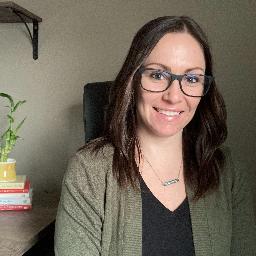
About Marissa
Marissa Boscia-Wittekind is a licensed mental health counselor (LMHC) who uses a collaborative, practical approach to help people move toward clearer goals. She invites honesty in sessions and focuses on building a strong working relationship to support progress. Her style aims to help people feel understood while taking steps to change patterns that no longer serve them.
She draws on client-centered methods to center each person's experience and strengths. Cognitive Behavioral Therapy, or CBT, is used to identify thoughts and behaviors that keep problems going and to practice new, more helpful skills.
Background and approach
Solution-focused techniques help set concrete, short-term goals so people can see measurable change. Sessions typically begin by building rapport and talking through what led someone to seek therapy. Early meetings cover personal history, current challenges, and initial goals so future work is focused and practical.
Marissa emphasizes collaboration and invites clients to help shape the plan. Her experience includes working with stress, anxiety, depression, grief, and trauma and abuse, along with relationship and parenting concerns. She also addresses addictions, coping with life changes, compassion fatigue, and anger.
Additional focuses include attachment issues, body image, codependency, postpartum depression, and young adult issues. Marissa practices in New York and works in English. She combines warmth with straightforward strategies so people can practice change between sessions and notice progress in daily life.
Combining practical approaches with online therapy
Client-Centered Therapy focuses on listening and responding to each person's experience. It helps people feel heard and encourages them to use their own strengths to make changes. Cognitive Behavioral Therapy, or CBT, looks at how thoughts and behaviors affect mood and teaches new ways of thinking and acting to reduce symptoms like anxiety and depression. Solution-Focused Therapy concentrates on small, achievable goals and the steps that lead to quick, measurable progress.Finding the right approach is part of the work. The therapist will collaborate with the client to choose methods that match goals, needs, and preferences. Early sessions review history and priorities so the treatment plan stays practical and goal oriented.
Online formats include video calls, phone sessions, live chat, and text-based messaging. Video sessions let people use visual cues and longer conversations. Phone sessions can be helpful when bandwidth is limited or a simpler check-in is needed. Live chat and text messaging work well for brief updates, quick skills practice, or when someone prefers writing to speaking. These options offer flexibility for busy schedules and different communication styles.
Frequently asked questions
What concerns does Marissa address?
What is her therapeutic style and approach?
How much experience does she have?
What are her credentials and where is she located?
Which languages are supported and can international clients join?
What session formats are available?
How are costs handled?
How do I get started with therapy?
Specialties and expertise
Top specialties
- Stress, Anxiety
- Addictions
- Relationship issues
Also works with
- Anger management
- Attachment issues
- Body image
- Career difficulties
- Codependency
- Compassion fatigue
- Coping with life changes
- Depression
- Drug and alcohol addiction
- Family conflicts
- Grief
- Parenting issues
- Post-traumatic stress
- Postpartum depression
- Smoking / vaping cessation
- Social anxiety and phobia
- Trauma and abuse
- Young adult issues
Therapeutic approaches
- Experience
- 11 years
- Licensed
- New York, Massachusetts
- Languages
- English