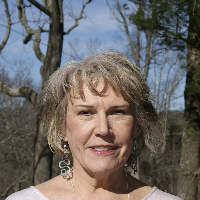
About Lois
Lois Pasapane helps people who are dealing with stress, anxiety, trauma, depression, relationship and intimacy concerns, and struggles with self-esteem. She also supports those facing life changes, addiction, eating issues, career questions, and ADHD-related challenges. Lois brings plainspoken guidance and steady support to each session.
She trained in counseling psychology and has practiced for decades. She holds a Licensed Clinical Mental Health Counselor credential in North Carolina and also lists LMHC and LCMHC among her credentials.
Background and approach
Her background includes work with individuals and groups, plus experience teaching and supervising future counselors. Lois favors a person-centered style. She starts with a detailed intake that covers family and personal history, strengths, and current concerns.
From that foundation she and the client design a practical plan with clear steps and homework tasks. Sessions often include role-play, esteem-building exercises, and behavior-focused goals. In addition to talk therapy, Lois uses hypnotherapy and techniques such as Emotional Freedom Technique when appropriate.
Those options are explained in full and only used with clear agreement between therapist and client. She asks clients to be active participants in their own progress. Across sessions she aims to be honest, authentic, and respectful of each person’s goals.
Her approach is collaborative - she sees her role as a resource that helps people make choices and build skills for handling life’s difficulties.
Using ACT, CBT, and Person-Centered Work Online
Acceptance and Commitment Therapy (ACT) focuses on building psychological flexibility. It helps people notice difficult thoughts and feelings without getting stuck, then choose actions that match their values. Cognitive Behavioral Therapy (CBT) looks at how thoughts, feelings, and behavior connect and uses concrete exercises and homework to change patterns that cause distress. Client-centered therapy emphasizes the relationship - the therapist listens without judgment, reflects what is said, and helps the person find their own path forward.Choosing the right approach is part of the work together. The therapist will discuss goals, preferences, and which methods fit best. That decision is collaborative and can change as progress is made.
Online sessions are offered by video calls, phone, live chat, or text-based messaging to make therapy more flexible. Video lets people do in-depth work and see nonverbal cues. Phone sessions can be a good option when bandwidth is limited or a simpler check-in is needed. Live chat or text messaging works for brief exchanges, quick check-ins, and people who prefer typed communication. These options allow scheduling during work breaks, while traveling, or from a quieter spot, making it easier to keep consistent care.
Frequently asked questions
What concerns does Lois commonly address?
How would you describe her therapeutic style?
How much experience does she have?
What credentials and location are listed?
Are sessions offered in languages other than English?
What session formats are available?
How are costs and billing handled?
How do I get started with therapy?
Specialties and expertise
Top specialties
Also works with
- Addictions
- ADHD
- Aging and geriatric issues
- Body image
- Career difficulties
- Caregiver issues and stress
- Codependency
- Coping with life changes
- Depression
- Eating disorders
- Intimacy-related issues
- Relationship issues
Therapeutic approaches
- Experience
- 35 years
- Licensed
- North Carolina, Florida
- Languages
- English