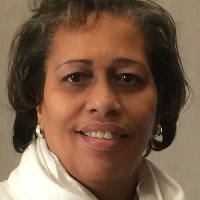
About Lisa
Lisa Davis-Peck brings 40 years of counseling experience to people facing stress, anxiety, relationship strain, trauma and abuse, depression, addictions, grief, parenting challenges, anger, self-esteem struggles, bipolar concerns, and ADHD. She works with individuals and couples, using practical steps to help people move past toxic patterns and build steadier emotional footing. Her style is straightforward and collaborative.
Sessions focus on clear goals and real-life skills rather than long explanations. She blends talk therapy with hands-on tools to improve emotional regulation and address problematic behaviors.
Background and approach
Lisa uses a mix of approaches that include client-centered listening, cognitive-behavioral techniques, dialectical behavior ideas, motivational interviewing, and mindfulness practices. She incorporates spiritual concerns when a person requests that, and keeps the work focused on what the person wants to change. In a session she helps people map out healthier detours around life roadblocks.
That can mean identifying thought patterns that feed anxiety, practicing new ways to communicate in relationships, or building small routines that reduce cravings or impulsive responses. She is licensed as a mental health counselor (LMHC) and as a marriage and family therapist (LMFT) in Indiana.
People meet with her by phone, video call, live chat, or text messaging depending on what fits their needs and schedule. Her goal is to restore hope and help people reach their potential through steady, practical work and clear next steps.
Therapeutic approaches and online care
Client-centered therapy focuses on listening and responding to what matters most to the person. The therapist mirrors concerns, helps clarify goals, and supports the client in finding their own solutions. Cognitive behavioral therapy (CBT) teaches practical ways to spot and change unhelpful thoughts and behaviors, which can reduce anxiety, depression, and compulsive patterns. Dialectical behavior therapy (DBT) brings skills for emotional regulation and better interpersonal effectiveness, useful when strong emotions or relationship conflict get in the way.Finding the right approach is part of the work. The therapist will talk with each person about their needs, goals, and preferences, then use a mix of methods that fit. Decisions about techniques are made together so the plan lines up with what the person wants to change.
Online therapy offers flexibility through video calls, phone sessions, live chat, or text-based messaging. Video calls allow face-to-face conversation and visual cues. Phone sessions are a good option when bandwidth is limited or a shorter check-in is needed. Live chat and text messaging can support ongoing coaching, quick check-ins, and between-session problem solving. These options make it easier to fit regular sessions into busy lives and maintain steady progress.
Frequently asked questions
What kinds of concerns does she help with?
How would you describe her therapeutic style?
What is her professional background?
Which licenses does she hold and where is she based?
Can she work with people who speak other languages or live abroad?
What session formats are available?
How are costs handled for therapy?
How do I begin working with her?
Specialties and expertise
Top specialties
- Stress, Anxiety
- Relationship issues
- Family conflicts
Also works with
- Abandonment
- Addictions
- ADHD
- Anger management
- Bipolar disorder
- Communication problems
- Depression
- Divorce and separation
- Grief
- Parenting issues
- Post-traumatic stress
- Self esteem
- Trauma and abuse
Therapeutic approaches
- Experience
- 40 years
- Licensed
- Indiana
- Languages
- English