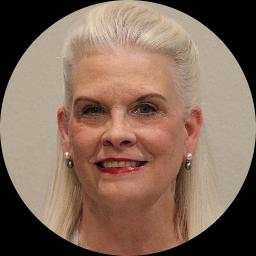
About Ginna
Ginna Downing is a Licensed Mental Health Counselor who uses practical therapy to help people manage stress, anxiety, grief, and relationship strains. She draws on Client-Centered and cognitive approaches to keep sessions focused and useful. She works from Florida and communicates in English.
Ginna favors straightforward, skills-based work. She helps people identify unhelpful thinking patterns and replace them with more realistic alternatives. Sessions often include goal-setting, problem-solving, and simple exercises to practice between meetings.
Background and approach
She has 11 years of counseling experience and has supported people through loss, caregiving strain, workplace stress, and life transitions. She also addresses issues such as intimacy concerns, addiction, and compassion fatigue in practical ways clients can use day to day. Ginna aims to build an honest, respectful working relationship.
She treats each person with dignity and listens for what matters most to them. Together she and the client decide on clear steps to move forward. Messages are checked mid-morning and mid-afternoon every day, and she typically replies the same day or the next.
To begin, clients complete a short matching questionnaire and schedule sessions according to availability. Sessions are offered via video, phone, live chat, or messaging.
Using Client-Centered and CBT Online
Client-Centered Therapy focuses on creating an open, nonjudgmental space where the client leads the conversation and the therapist listens and reflects. This approach helps when someone needs to feel heard and understood while they sort out values, roles, or relationship questions.Cognitive Behavioral Therapy, or CBT, looks at the thoughts that influence mood and behavior and teaches concrete ways to test and change those thoughts. It is often used for anxiety, stress, low self-esteem, and adjusting to life changes.
Finding the right approach is part of therapy. The therapist will work collaboratively with each person to decide whether Client-Centered work, CBT techniques, or a mix makes the most sense. Goals, preferences, and practical needs guide that choice so sessions feel useful and focused.
Online sessions are offered by video calls, phone sessions, live chat, or text-based messaging to make scheduling easier. Video is useful for deeper conversations and visual cues, phone works well when bandwidth is limited or during a quick break, and messaging suits short check-ins or ongoing support between meetings. These options help fit therapy into work, caregiving, or other busy routines.
Frequently asked questions
What concerns does this therapist commonly address?
How would you describe the therapeutic style?
What is her background and experience?
Where is the therapist licensed and practicing?
Which languages are supported for sessions?
What session formats are available?
How are fees and billing handled?
How do I get started with this therapist?
Specialties and expertise
Top specialties
- Stress, Anxiety
- Parenting issues
- Anger management
Also works with
- Addictions
- Aging and geriatric issues
- Caregiver issues and stress
- Commitment issues
- Compassion fatigue
- Coping with life changes
- Divorce and separation
- Family conflicts
- Family of origin issues
- Family problems
- First responder issues
- Grief
- Intimacy-related issues
- Life purpose
- Midlife crisis
- Mood disorders
- Pregnancy and childbirth
- Relationship issues
- Self esteem
- Trauma and abuse
- Veteran and Armed Forces Issues
- Women's issues
- Workplace issues
- Young adult issues
Therapeutic approaches
- Experience
- 11 years
- Licensed
- Florida
- Languages
- English