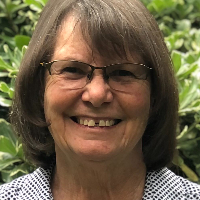
About Deborah
Deborah Mobley uses Cognitive Behavioral Therapy as the basis of her approach. She draws on forty years of helping people who are dealing with anxiety, depression, addiction, trauma, and major life changes. Deborah is a Licensed Mental Health Counselor, and she focuses on practical steps that make day-to-day life more manageable.
She helps people unpack overwhelming feelings and identify small changes that reduce stress. Sessions often look at patterns of thought and behavior and test new ways of coping.
Background and approach
Motivational Interviewing is used to support shifts in decision making and to strengthen commitment to recovery goals. Deborah has long experience supporting people after sudden loss, disasters, and personal crises. She listens with patience and starts from each person’s current situation rather than insisting on a one-size-fits-all plan.
Trauma-Focused Therapy is part of her toolkit for addressing traumatic memories and their ongoing impact. In sessions she aims to be direct and compassionate. Practical skills and brief homework exercises are common parts of the work.
The focus is on steps that can be tried between meetings and adjusted as needed. People who reach out can expect clear goals and a steady, collaborative process. Deborah frames therapy as a journey toward better daily functioning and clearer choices.
She welcomes questions about how the approach would fit individual needs.
How Deborah’s Approaches Work Online
Deborah uses Cognitive Behavioral Therapy to help people notice unhelpful thoughts and test new behaviors. CBT often involves short exercises and practical skills that translate well to online sessions. Motivational Interviewing focuses on helping people clarify their goals and build motivation for change through guided conversation and small steps.Finding the right approach is collaborative. Deborah will talk with each person about their goals, try strategies together, and adjust the plan based on what helps. That process includes reviewing progress and changing techniques when needed, so the work fits the person rather than forcing a fixed method.
Online therapy offers flexibility for different needs. Video calls allow face-to-face conversation and screen-sharing for worksheets. Phone sessions can be used when video is not possible or when someone prefers not to be on camera. Live chat and text-based messaging support brief check-ins, step-by-step coaching, or reminders between sessions. These options make it easier to fit therapy into a busy life while keeping the focus on practical work and steady progress.
Frequently asked questions
What concerns does Deborah address?
How would you describe her therapeutic style?
What background does she bring to therapy?
What are her credentials and where is she based?
Which languages are supported for sessions?
What session formats are available?
How are fees handled?
How do I begin working with her?
Specialties and expertise
Top specialties
- Stress, Anxiety
- Addictions
- Family conflicts
Also works with
- Anger management
- Bipolar disorder
- Career difficulties
- Compassion fatigue
- Coping with life changes
- Depression
- Drug and alcohol addiction
- Eating disorders
- Grief
- Intimacy-related issues
- Life purpose
- Parenting issues
- Post-traumatic stress
- Relationship issues
- Self esteem
- Sleeping disorders
- Trauma and abuse
Therapeutic approaches
- Experience
- 40 years
- Licensed
- Florida
- Languages
- English