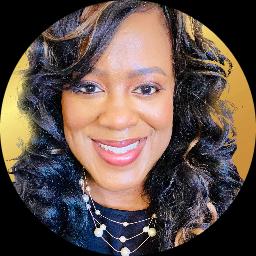
About Danielle
Dr. Danielle Langford helps people who are feeling stuck by focusing on practical steps and steady support. She meets clients where they are and works with them to address relationship strain, family conflict, trauma, self-esteem, career stress, addictions, and depression.
She emphasizes small changes that add up over time and supports clients as they try new ways of coping. Dr. Langford holds a Licensed Professional Counselor credential and is an LMHC in Tennessee.
Background and approach
She brings eight years of experience in clinical settings and community work. That background includes helping people affected by abandonment, adoption and foster care concerns, codependency, commitment questions, domestic violence, and workplace issues. In sessions she uses Cognitive Behavioral Therapy, focusing on clear goals and practical skills.
She helps people notice patterns of thought and behavior and then practices alternatives that feel doable in daily life. The approach is straightforward and aimed at relief from symptoms and improved coping. She also addresses concerns like guilt and shame, sexual assault and abuse, and young adult transitions.
Sessions aim to increase confidence and motivation while honoring each person’s story. Dr. Langford encourages people to try small experiments between sessions to build momentum.
Her style is collaborative and goal-oriented. She helps clients set realistic steps, track progress, and adjust plans as needed. People who want focused, skills-based work with steady encouragement may find her approach useful.
How CBT and online sessions can work together
Dr. Langford uses Cognitive Behavioral Therapy, which helps people spot unhelpful thinking and test new behaviors. CBT breaks problems into small parts so clients can try different coping strategies and see what helps with anxiety, depression, and relationship strain.She applies goal-oriented techniques in sessions, teaching practical tools like thought records, behavioral experiments, and activity planning. These tools are aimed at building skills that can be practiced between meetings to create steady change.
Finding the best approach is a team effort. She will work with each person to decide which techniques match their needs and goals. That plan can change over time based on what is helpful and what isn’t, so the work stays tailored and flexible.
Online therapy offers several practical benefits for this style of work. Video calls allow for full conversations and visual cues when practicing skills. Phone sessions can make check-ins easier when bandwidth is limited or when someone prefers not to be on camera. Live chat or text-based messaging supports brief check-ins, homework review, and more frequent contact between longer sessions. These options make it easier to fit therapy into a busy life and keep momentum between meetings.
Frequently asked questions
What kinds of concerns does she help with?
What is her therapeutic style like?
How much clinical experience does she have?
What credentials and location apply?
Are sessions available in other languages or internationally?
Which session formats are offered?
How does pricing work?
What are the first steps to begin therapy?
Specialties and expertise
Top specialties
- Relationship issues
- Family conflicts
- Trauma and abuse
Also works with
Therapeutic approaches
- Experience
- 8 years
- Licensed
- Tennessee, Arkansas, Massachusetts
- Languages
- English