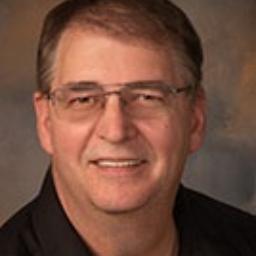
About Claude
Dr. Claude Ouellette welcomes people who are feeling overwhelmed by stress, anxiety, trauma, depression, or big life changes. He writes plainly and listens carefully to help each person figure out what matters most to them.
Dr. Ouellette holds the LMHC credential and brings three decades of clinical experience to his work. He usually begins with a simple conversation to understand current difficulties and goals.
From there he uses assessments when helpful and tracks progress over time so people can see small gains add up.
Background and approach
Sessions focus on practical steps that fit a person’s life, not on jargon or tests. Dr. Ouellette draws on several methods to match the issue at hand.
He blends client-centered listening with cognitive behavioral ideas to name unhelpful patterns and try new ways of coping. Mindfulness exercises are used to teach simple skills for calming the body and attention. For people carrying trauma or dissociation, he incorporates approaches designed for processing past events and working with parts of experience.
Narrative methods can help people rewrite painful stories into more manageable chapters. The emphasis is on safety, pacing, and clear goals. People benefit from predictable structure in sessions, honest feedback, and collaborative planning.
Dr. Ouellette aims to create a steady process so progress feels measurable. He works from Washington and meets people through multiple online formats to make scheduling easier.
How specific approaches translate to online therapy
Client-centered therapy focuses on listening and understanding each person's experience. In online sessions that means the therapist reflects concerns, asks clarifying questions, and helps clients set goals they care about. Cognitive Behavioral Therapy, or CBT, helps people identify thoughts and behaviors that keep problems going and tries practical experiments to change them; online work often includes homework and brief skill practices between sessions. EMDR is used to help process distressing memories and reduce their emotional intensity; in a remote setting EMDR techniques are adapted to fit a video or phone session and progress is paced to each person's needs.Finding the right mix of approaches is part of the work together. The therapist collaborates with each person to choose methods that match their goals, tolerance, and preferences. Plans are reviewed regularly and adjusted based on what is helping.
Online formats - video calls, phone sessions, live chat, and text-based messaging - offer practical benefits. Video is close to an in-person conversation, phone calls can be easier when bandwidth is limited, live chat or text messaging can support quick check-ins or ongoing processing, and all formats make scheduling and attendance more flexible. These options let people keep therapy consistent around work, family, or travel while using approaches that fit their concerns and daily life.
Frequently asked questions
What concerns does this therapist commonly address?
What is the therapy style like during sessions?
How much clinical experience does the therapist have?
What credentials and location are listed for this therapist?
Which languages are supported and can international clients connect?
What session formats are available for online work?
How are fees handled and what should I expect about cost?
What are the first steps to begin therapy?
Specialties and expertise
Top specialties
Also works with
Therapeutic approaches
- Experience
- 30 years
- Licensed
- Washington
- Languages
- English