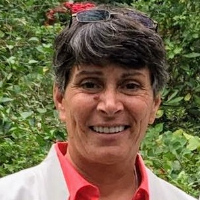
About Charlotte
Charlotte Ludwig is a Licensed Mental Health Counselor (LMHC) with over 15 years in the counseling field. She offers a calm, nonjudgmental style and focuses on clear, practical steps to help people feel better. Her approach aims to create a respectful space where clients can talk through hard moments and work toward goals.
Charlotte has worked in a range of treatment settings and with people facing mood challenges, addiction, trauma, and life transitions.
Background and approach
Common concerns she addresses include anxiety, depression, stress, addiction to drugs and alcohol, impulsivity, and grief. She also supports people dealing with low self-esteem, anger, and trauma and abuse. In sessions she blends client-centered work with Cognitive Behavioral Therapy and solution-focused methods.
That means conversations stay focused on the person's experience, while identifying thoughts and behaviors that get in the way and testing small changes that can make daily life easier. Motivational Interviewing helps when someone is ambivalent about change, especially around substance use. Her style avoids confrontation and focuses on building a strong working relationship first.
Clients can expect practical tools, goal-oriented steps, and steady encouragement rather than harsh feedback. Charlotte often helps people develop coping plans for stress and strategies to reduce risky patterns. Charlotte practices in Florida and conducts sessions in English.
She aims to help people take manageable steps toward healthier routines, clearer thinking, and better emotional balance.
How these approaches work online and help you move forward
Client-Centered Therapy focuses on listening without judgment and helping the person feel understood. Online sessions using this method begin with the therapist listening closely and reflecting what she hears, so goals and next steps grow from the client's priorities.Cognitive Behavioral Therapy (CBT) looks at the links between thoughts, feelings, and actions. In telehealth sessions CBT combines talking with simple exercises and experiments to test new ways of thinking and behaving, which can help with anxiety, depression, and impulsive patterns.
Motivational Interviewing is a collaborative way to handle mixed feelings about change. It uses open questions and reflection to build motivation, which is often useful when addressing drug and alcohol use or other behaviors someone wants to change.
Finding the right approach is part of the process. The therapist will work with each person to pick methods that match their needs, goals, and preferences. That means trying strategies together and adjusting the plan based on what helps most.
Online therapy offers practical flexibility. Video calls let people use visual cues for deeper conversation, phone sessions can be easier when bandwidth is limited, short live chats fit quick check-ins, and text messaging supports ongoing reminders or brief reflections between sessions. These options make it simpler to keep therapy consistent around work, school, or family schedules.
Frequently asked questions
What issues does Charlotte commonly address?
What is her general therapeutic style?
How much experience does she have?
What are her credentials and where is she based?
Which languages are used in sessions?
Are international clients supported?
What session formats are available?
How does the subscription and first steps work?
Specialties and expertise
Top specialties
- Stress, Anxiety
- Addictions
- Anger management
Also works with
- ADHD
- Bipolar disorder
- Compassion fatigue
- Coping with life changes
- Depression
- Drug and alcohol addiction
- Eating disorders
- Grief
- Impulsivity
- LGBT
- Self esteem
- Trauma and abuse
Therapeutic approaches
- Experience
- 15 years
- Licensed
- Massachusetts, Florida
- Languages
- English