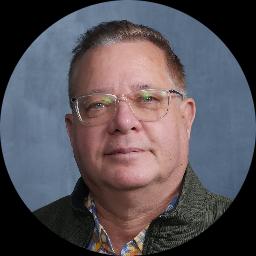
About Alan
Alan Algee is a licensed clinician who helps people manage stress, anxiety, depression, addiction concerns, and reactions to trauma. He works with individuals facing major life changes and aims to make therapy straightforward and practical. He has over 23 years of experience and holds ME LCPC and RI LMHC credentials.
Alan draws on that long practice to offer steady, respectful care. He keeps sessions focused on what matters to each person and on small steps that add up.
Background and approach
Alan pays particular attention to difficulties with attachment, feeling isolated, and communication problems. He also supports people dealing with panic attacks, mood disorders, and post-traumatic stress. Sessions typically involve talking through problems, learning coping skills, and trying out new ways to respond to difficult situations.
His style is calm and measured. He aims to respect personal boundaries and meet people where they are. Many clients appreciate a no-nonsense approach that still feels caring and human.
In the first meetings, Alan works to understand what a person most wants to change. After that he and the client set clear, manageable goals. Progress is tracked in regular check-ins so treatment stays practical and relevant.
Evidence-based approaches for online care
Many clients benefit from approaches that focus on practical skills and understanding patterns. Cognitive-based work helps people identify unhelpful thoughts and test them with real-life experiments, which can reduce anxiety and improve mood. Trauma-focused techniques guide people to process difficult memories safely and build coping tools to manage distress and symptoms like panic attacks.Choosing the right approach is a collaborative process. The therapist will talk with the client about goals, preferences, and what feels most useful, then try methods together and adjust as progress is made. That way treatment fits the person rather than the other way around.
Online sessions are offered by video call, phone, live chat, or text-based messaging to make therapy more flexible. Video calls allow face-to-face conversation from elsewhere, phone sessions use less bandwidth, chat can be a quick check-in between meetings, and messaging supports ongoing reflection and brief updates. These options help therapy fit into busy schedules and different lifestyles.
Frequently asked questions
What kinds of issues does he help with?
What is his therapeutic approach like?
How long has he been practicing?
Where is he licensed and based?
Which languages are supported for sessions?
Can I work with him if I live outside the United States?
What session formats are available?
How are fees handled and how do I get started?
Specialties and expertise
Top specialties
Also works with
- Experience
- 23 years
- Licensed
- Rhode Island, Maine
- Languages
- English