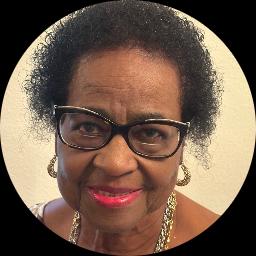
About Theresa
Theresa Stanford is a licensed mental health counselor in Florida with 35 years of experience. She draws on long practice to help people who are feeling overwhelmed by stress, anxiety, grief, or low mood. Her approach is straightforward and practical, aimed at clear steps that make daily life easier.
Theresa centers conversations on each person's strengths. She listens for what is already working and builds on those resources. Sessions focus on real problems like panic attacks, trouble concentrating, memory concerns, and feeling stuck about life purpose.
Background and approach
She offers tools for communication problems, forgiveness work, and coping after loss. Theresa has used biofeedback as one option to help with stress-related symptoms and to teach calming skills. Her work with attention and focus looks at routines and small changes that improve concentration.
Theresa aims to make therapy an achievable part of a busy life. She explains options in simple terms and suggests practical strategies clients can try between sessions. The tone is encouraging and matter-of-fact, with an emphasis on steady progress.
People who choose Theresa can expect collaborative planning and clear next steps. Her long experience in Florida informs a flexible approach that adjusts to each person's needs. Sessions are offered in English and organized around the goals the client brings.
To begin, she guides people through a short matching process and schedules sessions based on availability.
How evidence-based methods translate to online care
Theresa uses established, evidence-based techniques that focus on skills people can practice between sessions. One approach emphasizes teaching calm breathing and biofeedback-style strategies to reduce physical symptoms of stress and panic. These tools help with panic attacks, high anxiety, and everyday tension by giving concrete ways to lower arousal.Another common focus is on attention and organization strategies for people with ADHD symptoms. This includes creating predictable routines, breaking tasks into small steps, and using reminders to support concentration and memory. These changes aim to make daily life more manageable without relying on complex explanations.
Finding the right mix of approaches is a collaborative process. The therapist will discuss goals, try techniques, and adjust plans based on what helps. Clients take an active role in choosing which tools fit their needs and circumstances.
Online therapy offers practical benefits for this work. Video calls allow face-to-face interaction for skill teaching and guided exercises. Phone sessions can be a simpler option when bandwidth is limited or a shorter check-in is needed. Live chat and text-based messaging let clients share updates, try short coaching prompts, and keep momentum between sessions. These formats give flexibility to fit therapy into a busy schedule while focusing on skills that transfer to daily life.
Frequently asked questions
What concerns does she address?
What is her therapeutic style like?
How much experience does the therapist have?
What credentials and location are listed?
Which languages are supported for sessions?
What session formats are available?
How does cost and subscription work?
How do I get started with scheduling?
Specialties and expertise
Top specialties
- Stress, Anxiety
- Relationship issues
- Grief
Also works with
- Experience
- 35 years
- Licensed
- Florida
- Languages
- English