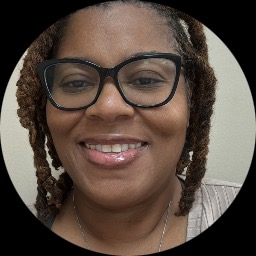
About Katrice
Katrice M Campbell is a licensed mental health counselor who uses practical, hands-on approaches to help people through difficult life changes. She focuses on family stress, trauma and abuse, parenting challenges, anger, and bipolar-related concerns. Her style is direct and compassionate, aimed at helping people get clearer and steadier day to day.
She draws on Cognitive Behavioral Therapy to help clients spot unhelpful thoughts and try different behaviors. Mindfulness practices are used to teach simple ways to calm intense emotions and stay present.
Background and approach
Solution-Focused Therapy helps set short-term goals so progress can be felt quickly. With eight years of experience, Katrice works with people facing divorce, blended family issues, and grief related to hospice or end-of-life care. She also supports those coping with substance use, domestic violence, and fallout from disasters.
Practical tools and step-by-step plans are common in sessions. Katrice pays attention to each person's background and strengths. She helps parents manage fatherhood issues and parenting strain, and she addresses concerns like hoarding, jealousy, and forgiveness through focused skill-building.
Sessions are aimed at making daily life more manageable. Clients can expect straightforward conversation, concrete coping strategies, and collaborative goal setting. Her Florida licensure as an LMHC is part of her professional background.
She offers care in English and welcomes international clients for remote sessions.
How evidence-based approaches work online
CBT, or Cognitive Behavioral Therapy, focuses on noticing unhelpful thoughts and testing new behaviors. It helps with anger, mood fluctuations, and day-to-day coping by giving simple tools to change how someone reacts to stress. Mindfulness Therapy teaches brief practices to calm strong emotions and return attention to the present moment. These techniques are useful for trauma recovery, anxiety, and managing intense mood shifts. Solution-Focused Therapy concentrates on small, achievable goals and practical steps. It is often used when people want quicker progress on parenting challenges, relationship problems, or rebuilding after loss. Finding the right approach is a team effort. The therapist will talk with the client about needs, goals, and preferences, then try methods that seem most helpful. They adjust the plan over time based on what works and what doesn’t. Online formats make therapy easier to fit into busy lives. Video calls let people meet face to face when a longer conversation is needed. Phone sessions use less bandwidth and can be easier when movement or a brief check-in is preferable. Live chat and text-based messaging are useful for short updates, homework checks, and ongoing support between sessions. These options offer flexibility for different schedules and comfort levels while keeping the same goal of practical progress and clearer daily routines.Frequently asked questions
What kinds of problems does she help with?
What is her therapeutic style like?
How much experience does she have?
Where is she licensed and based?
Which languages are supported?
What session formats are available?
How are sessions charged?
How do I begin a therapy relationship?
Specialties and expertise
Top specialties
- Family conflicts
- Trauma and abuse
- Parenting issues
Also works with
- Aging and geriatric issues
- Anger management
- Bipolar disorder
- Blended family issues
- Coping with natural or human-caused disaster
- Disruptive Mood Dysregulation Disorder (DMDD)
- Divorce and separation
- Domestic violence
- Drug and alcohol addiction
- Fatherhood issues
- First responder issues
- Forgiveness
- Hoarding
- Hospice and end-of-life counseling
- Infidelity
- Intellectual disability
- Jealousy
- Multicultural concerns
- Paranoia
- Personality disorders
- Post-traumatic stress
- Self-harm
- Self-love
- Young adult issues
Therapeutic approaches
- Experience
- 8 years
- Licensed
- Florida
- Languages
- English