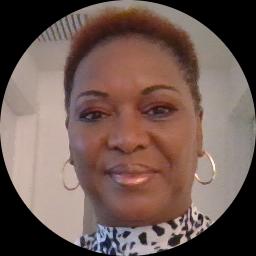
About Denise
Denise Billings is a Licensed Mental Health Counselor (LMHC) based in Florida who brings a practical, skills-focused approach to therapy. She combines structured methods with a warm, interactive style to help people manage stress, anxiety, grief, and other challenges. Sessions are conducted in English and emphasize collaboration and respect.
Denise draws from Cognitive Behavioral Therapy (CBT), Dialectical Behavior Therapy (DBT), Solution-Focused Therapy, and Trauma-Focused Therapy. She uses these approaches to help clients build coping skills, manage intense emotions, and address trauma symptoms.
Background and approach
Her work often focuses on concrete steps clients can try between sessions. With about ten years of experience, Denise has worked with a wide range of mental health concerns including depression, bipolar disorder, anger, and ADHD. She also helps people facing life transitions and parenting stress, and she pays attention to multicultural concerns in therapy.
Her sessions are described as warm and interactive, and she avoids stigmatizing labels when talking about struggles. Denise aims to create a space where clients can set clear goals and track progress through small, achievable changes. Therapy options include video calls, phone sessions, live chat, and text-based messaging.
The practice uses a subscription model for sessions that can be canceled at any time. To begin, users complete a short matching questionnaire and schedule according to therapist availability.
Approaches to Online Therapy and What They Do
CBT, or Cognitive Behavioral Therapy, focuses on identifying unhelpful thoughts and testing them with small behavioral experiments. It can help people reduce anxiety, manage depression, and change patterns that keep problems going.DBT, or Dialectical Behavior Therapy, teaches specific skills for managing intense emotions, improving distress tolerance, and handling conflict. It is useful when strong feelings or anger make daily life harder.
Finding the right approach is part of the work. The therapist will talk with each person about goals and preferences and then try methods that fit those needs. Treatment choices are made together and adjusted as progress is seen.
Online therapy with video calls, phone sessions, live chat, or text-based messaging makes it easier to fit sessions into busy lives. Video lets people use visual cues and longer conversations. Phone sessions can be a good shorter check-in that does not require video. Live chat and text messaging allow brief updates, ongoing support, and flexibility when schedules are tight. These options help people keep continuity of care and make it simpler to try therapy without long travel.
Frequently asked questions
What concerns does she address?
What is her therapeutic style?
How much experience does she have?
What credentials and location are listed?
Which languages and international services are offered?
What session formats are available?
How does payment work and what does it cost?
How do I get started with therapy?
Specialties and expertise
Top specialties
Also works with
- ADHD
- Anger management
- Bipolar disorder
- Coping with life changes
- Depression
- Family conflicts
- Multicultural concerns
- Parenting issues
- Relationship issues
- Self esteem
Therapeutic approaches
- Experience
- 10 years
- Licensed
- Florida, Utah
- Languages
- English