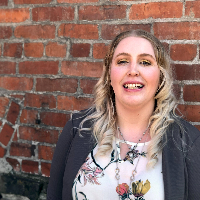
About Debra
Debra Hutchison is a licensed mental health counselor in Washington who helps people working through trauma, parenting strain, sleep problems, stress, anxiety, and mood concerns. She brings eight years of clinical experience to conversations that can feel overwhelming and confusing. She focuses on practical steps in sessions.
That can mean talking through upsetting events, learning ways to manage strong emotions, or building routines that improve sleep and daily coping. Debra balances support with clear guidance so clients leave with tools to try between appointments.
Background and approach
Her approach draws on attachment-based work and cognitive behavioral techniques. Attachment work looks at how past relationships affect current patterns. Cognitive behavioral strategies help people notice unhelpful thoughts and test different behaviors to see what works.
Debra has worked with people facing dissociation, grief, anger, self-esteem challenges, bipolar mood shifts, ADHD, and problems related to adoption, foster care, and caregiving stress. She also has experience addressing sexual behavior concerns and communication struggles. Sessions are offered in English and can include video calls, phone sessions, live chat, or text-based messaging.
Debra uses straightforward language and an active style to help clients set goals, try new skills, and track progress over time.
How attachment work and CBT fit into online therapy
Attachment-Based Therapy looks at how early relationships shape current ways of relating. In short, it helps people see patterns that affect trust, closeness, and how they respond to stress or conflict. This work can be useful for healing from trauma and improving communication and emotional regulation.Cognitive Behavioral Therapy, or CBT, focuses on the link between thoughts, feelings, and actions. It teaches simple skills for spotting unhelpful thoughts and testing new behaviors. CBT can help with anxiety, mood swings, sleep problems, and managing strong emotions.
Choosing the right approach is part of the process. The therapist collaborates with each person to weigh needs, goals, and preferences, and may blend attachment-informed ideas with CBT techniques. That way sessions stay practical and tailored rather than one-size-fits-all.
Online formats include video calls, phone sessions, live chat, and text-based messaging, which make it easier to fit therapy into a busy life. Video calls let people work face-to-face when that matters, phone sessions use less bandwidth, live chat supports shorter check-ins, and messaging lets someone share thoughts between appointments. These options provide flexibility for different schedules and communication styles.
Frequently asked questions
What concerns does Debra commonly address?
How would you describe her therapeutic style?
What kind of experience does she have?
What credentials and location are listed?
Which languages are supported and can international clients join?
What session formats are available?
How does pricing work for sessions?
How do I get started with Debra?
Specialties and expertise
Top specialties
- Trauma and abuse
- Sleeping disorders
- Parenting issues
Also works with
- ADHD
- Adoption and foster care
- Anger management
- BDSM, kink, and alternative sex culture
- Bipolar disorder
- Caregiver issues and stress
- Communication problems
- Coping with life changes
- Disruptive Mood Dysregulation Disorder (DMDD)
- Dissociation
- Family conflicts
- Grief
- Mood disorders
- Self esteem
- Stress, Anxiety
Therapeutic approaches
- Experience
- 8 years
- Licensed
- Washington
- Languages
- English