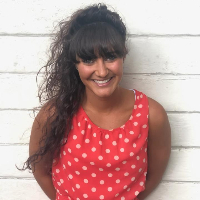
About Courtney
Courtney Cafaro is a Licensed Mental Health Counselor (LMHC) and a Licensed Professional Counselor (LPC) practicing in Pennsylvania. She has worked in mental health since 2013 and brings seven years of licensed experience to her clinical work. Courtney listens first and then helps people make clear plans for change.
Her sessions begin by gathering basic information about why someone reached out. She asks what outcomes matter most and uses those answers to shape the work.
Background and approach
Early meetings focus on building rapport and setting practical goals. Courtney uses a person-centered stance that lets clients guide session direction. She pairs that with practical strategies drawn from widely used therapies to address symptoms and daily challenges.
The aim is to fit tools to the person, not force a single method on everyone. She has worked with people facing anxiety, depression, bipolar disorder, trauma and abuse, and addictive behaviors. Other concerns she addresses include stress, parenting strain, grief, intimacy-related issues, eating problems, career questions, anger, self-esteem, compassion fatigue, and ADHD.
Courtney blends listening with clear steps for change. Sessions are straightforward and focused on what helps in day-to-day life. She offers video calls, phone sessions, live chat, and text-based messaging to match different needs and schedules.
How evidence-based approaches work online
Person-centered therapy focuses on listening and supporting the client's own goals. The therapist follows the client's lead, helps clarify priorities, and encourages self-directed change. This approach works well for people who want a collaborative, respectful space to talk about life challenges.Cognitive-behavioral techniques involve identifying unhelpful thoughts and testing small behavior changes. These tools are practical and often used for anxiety, depression, and stress. Exercises and plans are given between sessions so progress can continue on busy days.
Finding the right approach is part of the process. The therapist will work with each person to decide which methods fit their needs, goals, and preferences. This happens through early conversations and trialing techniques together rather than assuming one method up front.
Online therapy offers flexibility for busy schedules. Video calls let people use visual cues and longer sessions, phone sessions can fit a break at work or use less data, live chat is useful for brief check-ins, and text messaging supports ongoing reflection between meetings. These formats make it easier to keep continuity of care while adapting to everyday life.
Frequently asked questions
What kinds of problems does she address?
What is her therapy style like?
How much clinical experience does she have?
What credentials and location should I know?
Which languages are supported for sessions?
What session formats are available?
How are fees and billing handled?
What are the steps to begin therapy?
Specialties and expertise
Top specialties
Also works with
- ADHD
- Anger management
- Bipolar disorder
- Career difficulties
- Coaching
- Compassion fatigue
- Coping with life changes
- Depression
- Eating disorders
- Family conflicts
- Grief
- Intimacy-related issues
- Parenting issues
- Self esteem
- Experience
- 7 years
- Licensed
- Massachusetts, Pennsylvania
- Languages
- English