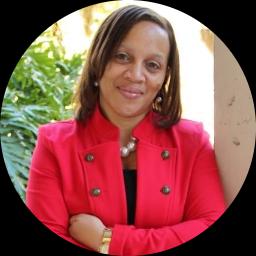
About Consuella
Consuella Shaw is a Licensed Mental Health Counselor (LMHC) practicing in Florida with 18 years of experience. She focuses on helping people manage stress, anxiety, mood struggles, and the fallout from trauma and abuse. Her approach centers on seeing each person as the expert of their own life and building on existing strengths.
Shaw uses practical, talk-based methods so people can make changes that fit their daily lives. She helps with grief, anger, low self-esteem, bipolar concerns, ADHD, and relationship or family challenges.
Background and approach
She also supports people who live with intellectual disability and those coping with self-harm thoughts. Her style is collaborative and respectful. Sessions tend to focus on clear goals, small steps, and skills people can try between meetings.
Shaw draws on client-centered listening alongside tools from cognitive behavioral therapy and dialectical behavior therapy to reduce distress and increase coping skills. She also uses motivational interviewing to help people find reasons to change and the Gottman Method to address relationship patterns when helpful. Those methods are mixed together to match what each person needs rather than following a single script.
Consuella aims to empower people to notice what’s working and build new habits. Her language is plain and direct, and she keeps sessions focused on practical steps that can help right away.
Approaches that guide online sessions
Consuella blends client-centered work with tools from cognitive behavioral therapy and dialectical behavior therapy. Client-centered therapy focuses on listening and understanding a person's perspective so goals come from their priorities. Cognitive behavioral therapy looks at patterns of thought and behavior and teaches practical skills to reduce anxiety, manage mood, and handle stressful situations. Dialectical behavior therapy emphasizes emotion regulation, distress tolerance, and interpersonal skills for people who struggle with intense emotions or self-harm urges.Deciding which approach to use is a collaborative process. The therapist will talk with the client about goals, preferences, and what has helped or not helped in the past. From there she blends methods to fit each person's needs rather than using a single technique for everyone.
Online therapy offers flexibility through video calls, phone sessions, live chat, or text-based messaging. Video lets people see facial cues and work more like an in-person visit. Phone sessions can be easier when bandwidth is limited or for shorter check-ins. Live chat and text work well for brief updates, skill coaching between sessions, or when typing feels more comfortable. These options make it easier to fit therapy into a busy life and keep work moving forward.
Frequently asked questions
What concerns does she help with?
What is her therapeutic style like?
How much experience does she have?
What are her credentials and where is she based?
Are sessions offered in other languages or internationally?
What session formats are available?
How does pricing work?
What do I need to do to begin?
Specialties and expertise
Top specialties
Also works with
- ADHD
- Anger management
- Bipolar disorder
- Depression
- Family conflicts
- Intellectual disability
- Parenting issues
- Relationship issues
- Self esteem
- Self-harm
Therapeutic approaches
- Experience
- 18 years
- Licensed
- Florida
- Languages
- English