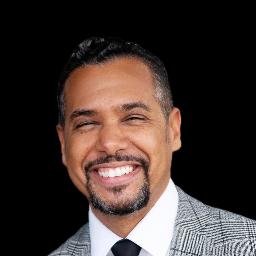
About Marlon
Marlon Rollins uses practical, evidence-based techniques to help people manage stress and anxiety. He is a licensed professional counselor - clinical (LPCC) in California and a licensed mental health counselor (LMHC) in Indiana. Marlon writes short-term coaching goals with clients and focuses on clear steps toward change.
He helps people cope with grief and loss in steady, step-by-step ways. He also supports work on motivation, self-esteem, and confidence so people feel more able to handle daily demands.
Background and approach
Conversations center on what feels most urgent and what small actions can make a difference. Marlon creates an open, nonjudgmental space for people to talk. Sessions are aimed at helping people sort through feelings and test new ways of responding to problems.
He emphasizes practical strategies that can be tried between meetings. Over 14 years of work, Marlon has supported people facing life transitions and workplace stress. He also addresses concerns tied to abandonment, attachment, and life purpose.
He offers help around struggles men may face during midlife shifts and changing work roles. Sessions are offered in English and are available to international clients when scheduling allows. Work is framed around the client’s priorities, with an emphasis on clear steps, realistic goals, and steady progress.
Evidence-based approaches in online care
Many of Marlon’s clients use brief, evidence-based techniques that focus on changing unhelpful patterns and building coping skills. Cognitive-behavioral methods involve identifying unhelpful thoughts and testing new actions to reduce anxiety and improve mood. These techniques help with stress, worry, and low motivation.Behavioral activation is another common approach that he uses to boost motivation and mood. It focuses on increasing small, manageable activities that bring a sense of accomplishment and routine. This can be useful for people dealing with grief, low energy, or a loss of direction.
Finding the right approach is part of the work. He partners with clients to choose methods that fit their goals and daily life. Sessions begin with practical goals, then adjust the style and pace based on what helps most.
Online sessions are offered as video calls, phone sessions, live chat, or text-based messaging to give flexibility. Video calls are useful for face-to-face conversation and visual cues. Phone sessions work well when bandwidth is limited or for a quick check-in. Live chat and text messaging let people share thoughts in shorter moments or between meetings. These options make it easier to keep therapy going around work and family schedules.
Frequently asked questions
What kinds of problems does he help with?
What is his therapy style like?
How long has he been practicing?
Where is he licensed and based?
Which languages are sessions offered in?
What session formats are available?
How are fees and subscriptions handled?
How do I begin working with him?
Specialties and expertise
Top specialties
Also works with
- Experience
- 14 years
- Licensed
- California, Indiana
- Languages
- English