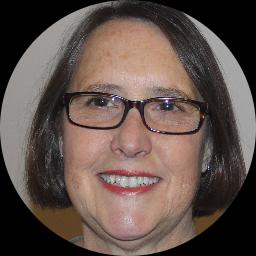
About Marie
Marie Campbell is a Licensed Mental Health Counselor and a Licensed Professional Counselor based in Maine. She focuses on common struggles like stress, anxiety, depression, grief, addictions, anger, and self-esteem. She also helps people facing bipolar challenges, ADHD, compassion fatigue, and big life changes.
Marie keeps sessions straightforward and practical. She listens first, then helps people set small goals they can try between meetings. She draws on approaches such as cognitive behavioral techniques, dialectical behavior ideas, mindfulness, existential questions, and a client-centered stance to tailor support to each person.
Background and approach
Clients can expect a collaborative tone in sessions. Marie works with each person to spot strengths, clarify what matters, and build steps toward change. She helps people talk through relationship stress, control issues, forgiveness, and finding a clearer sense of purpose.
Marie trained at Western Seminary in Portland, Oregon and earned a Master of Arts in Counseling in 2017. She has worked in counseling roles since then and brings six years of professional experience to her practice. In practical terms, sessions can include skill-building, problem-solving, and exploring values or meaning.
The focus is on usable strategies people can apply in day-to-day life, along with space to process grief and loss or the fallout of trauma. Marie approaches therapy as a partnership. She aims to help people notice progress, refine goals, and choose actions that fit their priorities and pace.
Approaches that translate well to online care
Client-centered therapy focuses on listening and reflecting so the person feels heard and understood; it helps with building confidence and clarifying what matters most. Cognitive Behavioral Therapy, or CBT, looks at how thoughts affect feelings and behavior and teaches practical techniques for changing unhelpful patterns. Dialectical Behavior Therapy, or DBT, combines skills for managing intense emotions, improving relationships, and increasing tolerance for distress.
Finding the right approach is part of the process. The therapist will work together with each person to choose methods that match their needs, goals, and comfort level. That collaborative planning can include trying different techniques and adjusting as progress is noticed.
Online sessions are offered by video calls, phone sessions, live chat, or text-based messaging to make therapy fit into busy lives. Video calls are useful for face-to-face conversation and demonstrating skills. Phone sessions can be easier when bandwidth is limited or when someone prefers not to be on camera. Live chat and text-based messaging can support quick check-ins, processing between sessions, or shorter, flexible contacts during a workday. These options aim to make it easier to keep therapy consistent while adapting to everyday schedules.
Frequently asked questions
What concerns does this therapist help with?
What is the typical therapy style in sessions?
How much clinical experience does she have?
What credentials and location are listed for this therapist?
Which languages and international options are available?
What session formats does she offer?
How are costs and billing handled?
How do I start a course of therapy?
Specialties and expertise
Top specialties
- Stress, Anxiety
- Relationship issues
- Grief
Also works with
- Addictions
- ADHD
- Anger management
- Bipolar disorder
- Compassion fatigue
- Control issues
- Coping with life changes
- Depression
- Family conflicts
- Forgiveness
- Life purpose
- Post-traumatic stress
- Self esteem
Therapeutic approaches
- Experience
- 6 years
- Licensed
- Maine, Washington
- Languages
- English