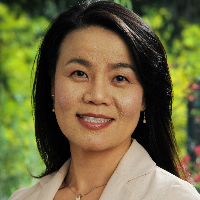
About Maria
Dr. Maria Kim blends evidence-based therapeutic techniques with a warm, interactive style to help people manage stress, anxiety, depression, and relationship challenges. She is introduced here as Dr.
Maria Kim, a licensed marriage and family therapist (LMFT) and a licensed mental health counselor (LMHC) with about 15 years of clinical experience. She communicates plainly and focuses on practical steps people can use right away. Her work often centers on parenting stress, self-esteem issues, grief, anger, trauma and abuse, and everyday relationship strain.
Background and approach
Sessions are conversational and tailored to each person’s situation. She aims to reduce overwhelm and build clearer coping steps for daily life. Dr.
Kim draws on cognitive-behavioral, humanistic, and psychodynamic ideas to shape sessions. That means she helps people notice unhelpful thinking, name their values, and look at patterns that repeat over time. She adjusts the pace and focus to what a person finds most useful.
She also brings background in expressive approaches and can incorporate art-based activities when that feels helpful to a client. Art work is used as another way to notice feelings and try different ways of expressing them. Her language options include English and Korean, and she practices from Washington.
People who want to begin are invited to use a short matching questionnaire and schedule a session once the match is made.
Therapeutic approaches and online care
Dr. Kim uses cognitive-behavioral ideas to help people spot unhelpful thoughts and try new behaviors. That approach focuses on practical tools you can use between sessions to reduce anxiety and manage mood.She also uses humanistic techniques that center a person’s values and strengths. These methods help people reconnect with what matters to them and build motivation for change. In addition, psychodynamic ideas are used to notice patterns that repeat in relationships and daily choices, offering a deeper look at how past experiences shape current reactions.
Choosing the right approach is part of therapy. The therapist will work collaboratively to find techniques that match a person’s needs, goals, and preferences. Sessions may shift over time as different tools prove helpful.
Online sessions are offered as video calls, phone visits, live chat, or text-based messaging to fit different schedules. Video works well when a full conversation is needed. Phone sessions can be useful when bandwidth is limited or when someone prefers not to be on camera. Live chat and messaging make it easier to check in between longer sessions and fit short updates into a busy day. These options make it possible to keep therapy consistent while balancing work, family, or other commitments.
Frequently asked questions
What kinds of concerns does she help with?
How would she describe her therapeutic style?
What is her clinical background?
Where is she based and what are her credentials?
Can sessions be conducted in other languages?
What session formats are available?
How does the subscription and cost work?
How do I begin working with her?
Specialties and expertise
Top specialties
- Stress, Anxiety
- Parenting issues
- Self esteem
Also works with
- Anger management
- Depression
- Grief
- Relationship issues
- Trauma and abuse
- Experience
- 15 years
- Licensed
- California, Washington
- Languages
- English, Korean